Access
- 11/09/2025
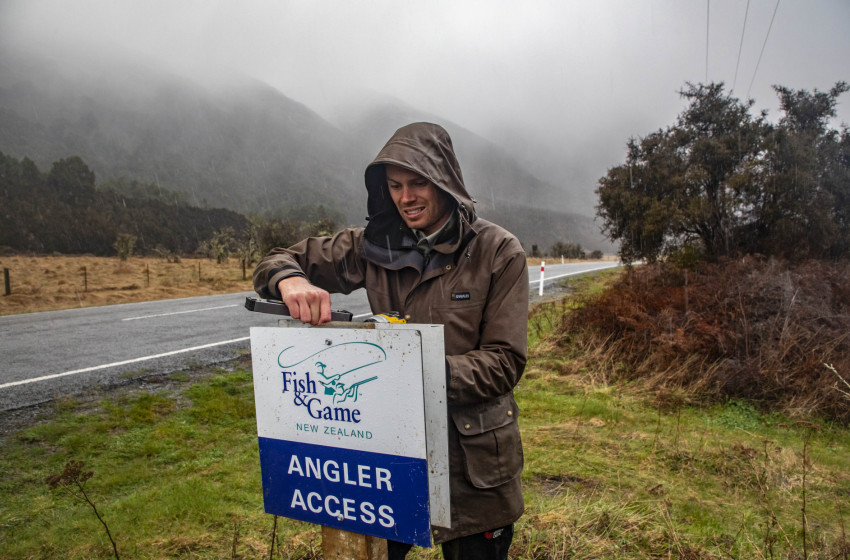
Access is a key focus for Fish & Game
Working to retain and restore access is a key pillar of our work at Fish & Game.
Our vision is a New Zealand where freshwater habitats and species flourish, where hunting and fishing traditions thrive, and all Kiwis enjoy access to sustainable wild fish and game resources.
It’s not widely known, but we maintain over 3000 access points for angling and game bird hunting around the country. We work with private landowners who do a huge community service by providing much of the access to angling and game bird hunting sites around the country.
A recent court decision confirmed that landowners aren’t liable for recreational health and safety issues. This is good news for negotiating recreational access and assuring landowners that they will not be liable.
While that was a positive development, we need to continue to work hard in the interests of anglers and hunters. And we can’t do it on our own. We need our anglers and hunters to stand with us as we advocate for access to that quiet fishing spot or duck-friendly pond.
What’s the problem?
Access to our rivers, lakes, wetlands, and hunting grounds is being quietly eroded.
- Access rules. It’s particularly challenging for game bird hunting with restrictions on vehicle access, carrying firearms or being allowed to bring game bird hunting dogs.
- New housing or other tracks located too close to hunting areas will reduce the game bird hunting recreation in the location.
- “Exclusive capture” refers to a situation where landowners only allow paying clients to fish or hunt, giving the impression that they own the sport fish or game birds. This often results in Kiwis not getting access to fishing and game bird hunting resources.

Paper Roads, Locked Gates, and Lost Tracks
Ever heard of a “paper road”? It’s an Unformed Legal Road which is marked on a map, but might be just a grassy track or a fence line with no formed road on the ground. These roads are public land, and they’re often the only legal way to access a river, lake, or wetland; we don’t want them closed.
The problem is that some landowners install gates, locks, or fences across these unformed legal roads, and councils do not always fulfil their enforcement role, which means the public loses out. We think other agencies should be able to remove illegally locked gates. We want to be alerted if a council is thinking about closing a road that provides access to a waterbody. Walking Access Maps show where these URLs are located. Outdoor access maps (WAMS) | Herenga ā Nuku Aotearoa, the Outdoor Access Commission
Overseas land purchases – a missed chance
When overseas buyers purchase sensitive land in New Zealand, in the past, they have offered public access as part of the agreement to allow them to buy the land. This was a great way to maintain existing or create new access to fishing and hunting spots. This mechanism has also provided access to the coast.
In mid-2024, a ministerial directive changed this, with access now considered a “secondary” benefit. The result has been the creation of no new public access through overseas land purchases in the past year. We think that needs to change back.
We also want to see new access locked in with easements rather than access agreements
Keeping access in settlements and leases
Some access arrangements have been lost or eroded through settlement agreements. Future agreements should strive to retain existing public access.
Agreements such as those for Crown Pastoral Leases in the high country often require new public easements to rivers, lakes, and wetlands, but the appropriate provisions aren’t being used. There are legal mechanisms that can be used to create new access that aren’t being utilised.

Use it or lose it
Here’s a crazy fact: much of public access over private land is not visible on digital maps as the information has not been digitised yet. This access is already legally secured, but you can’t see it on any map or app. These records are still stored in old paper survey files, and we need to digitise this information as a priority by LINZ.
We do provide maps for the areas that are online, plus all the access points we manage on the Fish and Game web page.
What we’re pushing for
We’re asking government and councils to:
- Keep all the current access protections in law and provide free public access.
- Talk to us before selling land, stopping a road, or approving a project that could cut off hunting or fishing access.
- Restore provisions that provide for overseas land purchases to include new public access easements where waterbodies are located on site or adjacent.
- Digitally map all the public access we already have over private land.
- Use existing laws to create new access to rivers, lakes, and wetlands, including keeping recreational values, access and protections of waterbody provisions in the Resource Management Act amendments.
- Stop councils from closing, banning vehicles or dogs on paper roads without an exceptional reason.
- Public access retained as part of Treaty Settlement conditions.
The Fish & Game website has information on access in your region on the access maps tab and in the regional information or pamphlets at their office. If you discover a change in access, i.e., a locked gate over an unformed legal road, please contact us (and the local authority, who needs to undertake the enforcement work).
Why it matters
Hunting and fishing aren’t just hobbies; they’re part of who we are as New Zealanders. Anglers and hunters dedicate thousands of volunteer hours each year to restoring habitats, controlling pests, and caring for our waterways.
But once public access is gone, it’s almost impossible to get back.
Continued public access to New Zealand’s lakes, rivers and streams is vital for the future of our fishing and hunting traditions. Let’s work together to ensure that future generations enjoy the same freedom to game bird hunt, fish, and experience these natural places in the same way we can enjoy them today.
Disclaimer:
The information presented in these news items is based on the context and regulations in place at the time of publication. Please note that some articles may include reference to laws and regulatory standards that have since changed. For the most current and accurate information please check our Fishing Licences & Regulations pages or our Hunting Licences & Regulations pages.