Protecting our wild & scenic waterways. Crafted by nature. Delivered by the clouds. Aged in the mountains. Protected in perpetuity by Water Conservation Order (WCO).
Many of New Zealand's most precious waterways are under pressure. The "National Parks of our waterways" – those protected by Water Conservation Orders (WCOs) – face serious challenges, and Fish & Game is leading the fight to preserve them for future generations.
The highest Safeguard for freshwater
A WCO is the highest level of protection that can be afforded to any water body, preserving its outstanding natural values for all freshwater fish, wildlife, outdoor recreation and generations to enjoy.
Fish & Game has been instrumental in securing 12 of these 16 protections – safeguarding world-class trout fisheries, swimming holes, and the cultural and recreational values that define the New Zealand experience.
Challenges
From time to time, we do see attempts to erode these protections, more recently through the Resource Management Act reform processes.
Critics argue these WCOs are "outdated," "too expensive," and create barriers to development.
Their vision would strip away a key legal mechanism that aims to ensure our most outstanding waters cannot be compromised by allocation pressures or degraded by intensive land use. It’s a matter of ensuring that commercial activity in these catchments operates within limits dependant on the specific WCO.
Without WCOs, there would be no equivalent safeguard. Regional planning processes, while important, can change with shifting political priorities and have proven inadequate to protect water quality and quantity in many catchments across the country. Only WCOs provide the enduring, nationally consistent protection that transcends political cycles.
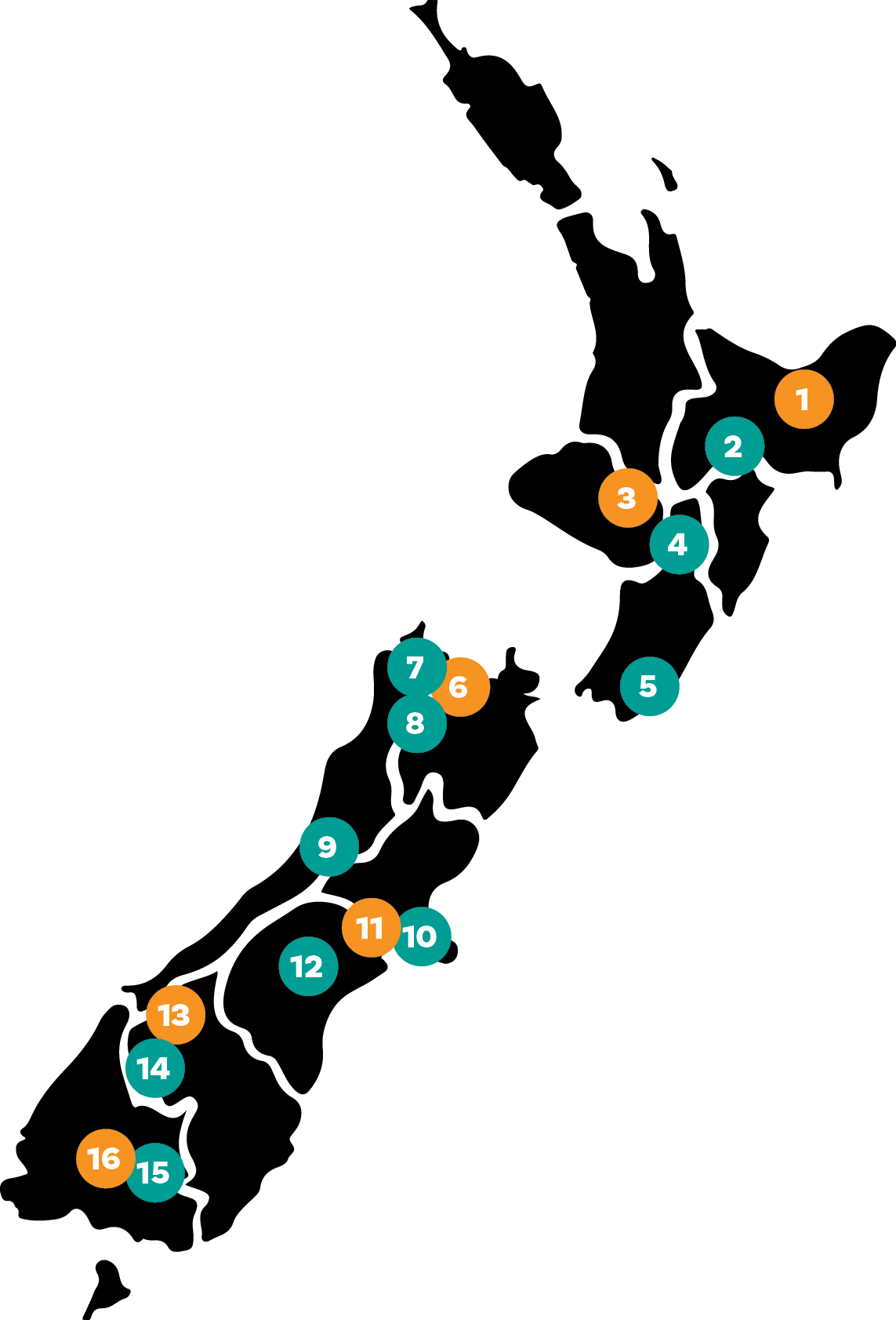
The Motu River was the first New Zealand ‘wild and scenic’ river to win protection from a Water Conservation Order in 1984. The river is used widely for adventure tourism and is to be preserved in its natural state.
The WCO was granted in 2004 over the Mohaka and its tributaries in recognition of its outstanding trout fishery above the SH5 bridge. The order also covers the river’s outstanding scenic characteristics and value for water-based recreation.
The Manganui o te Ao River catchment is recognised as an outstanding recreational fishery and a key site for endangered blue duck (whio) recovery efforts.
The WCO passed in 1993 recognises the river’s outstanding wild and scenic characteristics, recreational fisheries and wildlife features. The river is internationally regarded as one of the finest trout fisheries in the world.
The lake is the third largest in the North Island, fractionally smaller than Lake Rotorua. The WCO, which passed in 1989, seeks to protect the wildlife and wetland habitat particularly on the eastern lakeshore which is important for waterfowl.
A Motueka River WCO came into force in 2004 in recognition of outstanding recreational, wild and scenic characteristics, along with fisheries and wildlife habitat features. The order included restrictions on damming or altering river flows to protect spawning by brown trout.
The largest cold-water springs in New Zealand. The springs’ clarity is attributed to the filtration that occurs as water moves through the Wharepapa Arthur Marble Aquifer.
The WCO came into force in 2001, listing the waters of the Buller River and tributaries to be retained in their natural state or protected because of outstanding wild and scenic characteristics, fisheries and habitat features, and scientific values.
The river was given WCO protection in 1991 for an outstanding natural characteristic in the form of a meandering incised river gorge, along with outstanding scenic features. It is also a high quality trout fishery.
A WCO was granted in 1990 to preserve its wetlands and fish, and recognise it as a habitat for wildlife, and of significance to Maori.
The Rakaia River is a celebrated salmon fishery. The Rakaia is also known for its large wrybill population. Other important bird species known to be found in the riverbed are the black-fronted tern and banded dotterel.
A WCO was passed in 2006 identifying the outstanding characteristics and fishery values of the Rangitata River. The order lays down constraints on damming, alteration of river flow and form and water quality, and maintenance of fish passage.
The WCO passed in 1990 recognises the river and its tributaries as an area of outstanding wildlife habitat and fisheries, with “outstanding angling features”.
A WCO protects the river and wider catchment for its wild and scenic character, natural characteristics, angling, scientific values and recreational use. No damming is allowed and the water must be maintained to a specific standard.
The Mataura is internationally-renowned for its brown trout fishery. The WCO was passed in 1997 in recognition of “outstanding fisheries and angling amenity features”.
The order, passed in 2008, recognises the brown trout habitat and angling amenity of the river and its tributaries, its black-billed gull habitat,
What we are doing
Fish & Game is engaging with the Government about the importance of WCO’s by highlighting that:
- The WCOs are more vital than ever, given widespread water degradation across New Zealand.
- The robust legal processes that established these protections remain sound and democratic.
- There are already mechanisms within the law for review and amendment when needed.
- Regional planning alone has failed to protect water quality in numerous catchments.
We've also proposed targeted improvements to strengthen WCO protections whilst maintaining their core purpose.
Please select link to view - Letter to Ministers
Success built on experience
In 2013, we successfully fought off similar threats to WCOs when the Government backed down after a public outcry.
Our advocacy, combined with strong community support, preserved these vital protections for another decade.