What are your best options fishing at the Groynes?
Due to the lagarosiphon control matting on the bottom of the lakes, Fish & Game is recommending anglers follow these fishing method tips at the Groynes for the best success while still protecting the lakes for future use.
Single Hooks
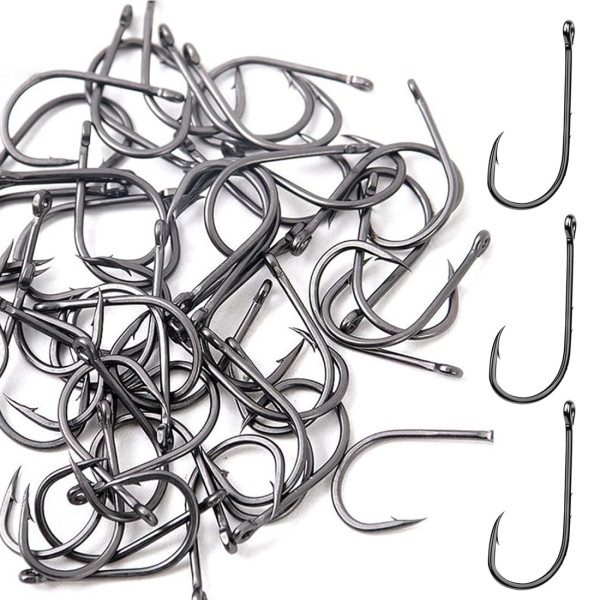
Using a single hook when fishing can help protect our lakes by reducing the chance of snagging the control matting on the lakebed.
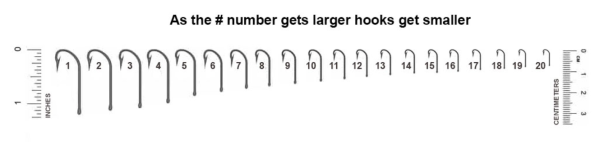
Single hooks work well with bubble or float setups when bait fishing, and they’re also a great option for hard-body lures. You can either buy lures that already have single hooks attached or swap out treble hooks for singles yourself. It’s a simple switch that can make your gear more friendly. Remember, hook size is extremely important; you don’t need an extremely large hook to catch trout and salmon. Often, we find anglers are using hooks that are far too big. Try using hooks between sizes #1 and #12 for the best results in the Groynes (view image below).
In some situations, you may be required to use a slightly larger hook if you are not managing to keep fish on after you get a bite or hit. Be careful doing this, as it can cause more damage to the fish and puts you at higher risk of snagging the bottom matting on the lake. Packs of single hooks are affordable, often as low as $5 at your local tackle store, and many are the same type you’d use for your float or bubble rigs.
Using splitshot to weigh down bait
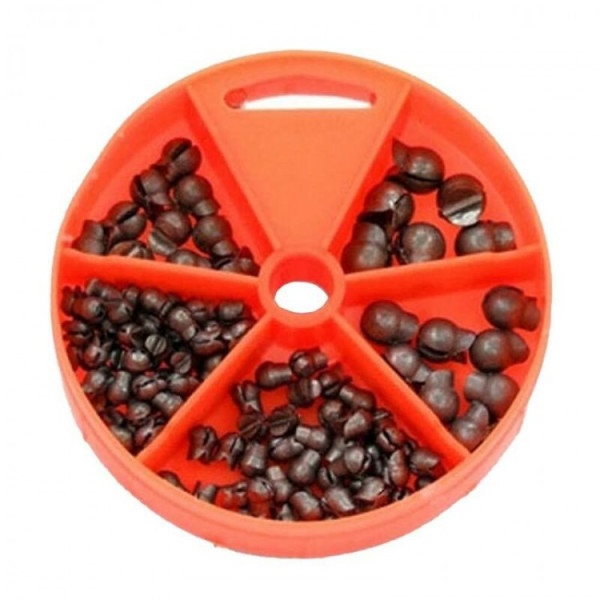
If you do plan on bait fishing these lakes, then we’d recommend avoiding using sinkers on the bottom of your bait rig, that way you are reducing the risk of damaging the matting on the lakebed. An alternative way to help getting your bait down deeper is to attach splitshot to your line.
Line Strength
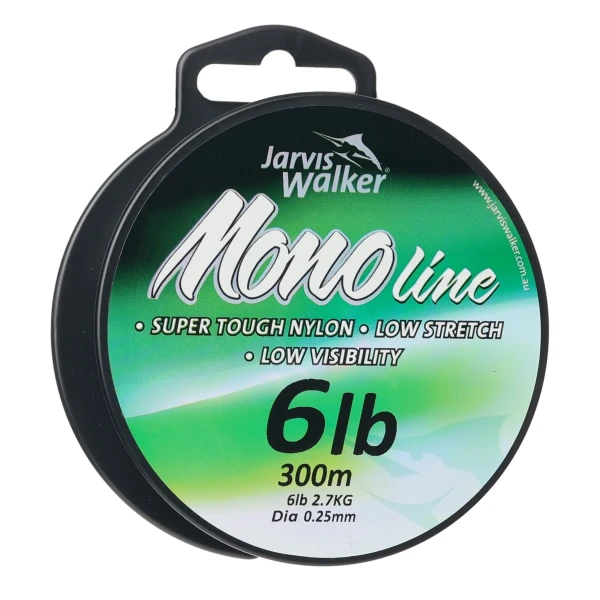
The strength of the fishing line you use can make a big difference—not just to your chances of catching a freshwater sports fish, but also to protecting the new mat lining on the lakebed if you accidentally snag the bottom.
Using a thinner, lighter line is the best approach. We recommend a line with a breaking strength between 6lb and 10lb. Not only is this less visible to fish (which have excellent eyesight), but it also reduces the risk of damaging the lakebed if your line gets caught. A lighter line will usually snap before it pulls up or tears the mat. This does mean you risk losing some gear, but for the longevity of the lake’s use, it’s worth the risk.
Soft Bait Options
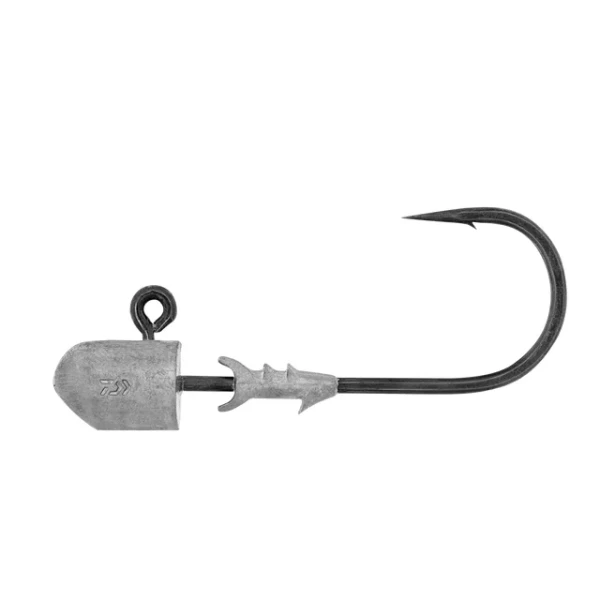
A great low-risk but high-reward option for anglers is using soft baits attached to jig heads. Soft baits are used to imitate small prey for the catchable-sized sport fish. They come in many different shapes and colours; however, the best thing about using soft baits is that the hooks on the jig heads face upwards. This hugely eliminates your chances of snagging the bottom of the lake. Choosing the correct weight of jig head and hook size is extremely important, with weights between 1/4 oz and 1/20 oz being the best options. It is best to stick with the #1 hook size as it fits most soft baits well. When using soft baits, the presentation of them is extremely important, making sure they are not warped, upside down or restricted on an unnatural angle is important, as fish won’t bite what they are unsure about.