Common name: Oxygen weed
Scientific name: Lagarosiphon major
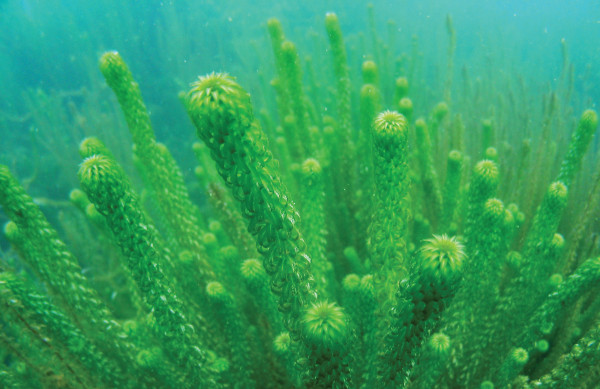
Why is it a pest?
Lagarosiphon is an highly invasive underwater weed that’s causing serious problems in lakes and rivers across Aotearoa.
Originally sold as a pretty plant for ponds and aquariums, it was accidentally released into the wild through drainage and waste disposal, and now it’s spreading fast.
This weed grows in thick, tangled mats that block sunlight from reaching native plants and mess with the natural flow of water. One of the biggest problems is that it uses up a lot of the oxygen in the water. That’s really dangerous for fish: both the native species that form an important part of our ecosystem and the sports fish that recreational anglers cherish. Without enough oxygen, these fish struggle to breathe, which can seriously threaten their survival.
Beyond harming aquatic life, lagarosiphon also creates challenges for people. It clogs up lakes and rivers, raising the risk of flooding and complicating water supply systems. And it spoils the fun for anyone who loves fishing, swimming, or boating.
The weed spreads easily from small pieces floating in the water or clinging to boats, trailers, fishing gear, or even discarded pond waste.
How can you help?
Always check, clean, and dry your gear after being in the water. Don’t dump aquarium or pond plants outside. Even small actions can help protect our waterways, ensuring that native and sports fish alike have a healthy, oxygen-rich habitat to thrive in.
What does it look like?
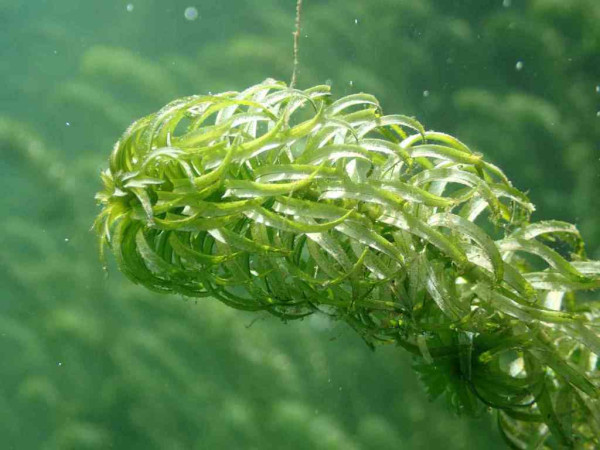
Size: Lagarosiphon can grow up to 5 metres long! Its long, brittle stems can tangle together and form thick mats when they reach the surface of the water.
Appearance: The leaves are dark green, small, and pointy. They grow in a spiral pattern around the stem and often curve backward or downward, giving it a scruffy, tangled look.
What makes it stand out: Lagarosiphon grows underwater and roots itself into the bottom of lakes and rivers. You won’t see it floating freely like some other weeds—it’s firmly attached.
Flowering: In its home country, it can grow tiny pinkish flowers. But here in New Zealand, only female plants are present, so it doesn’t produce flowers or seeds.
What is being done to protect the Groynes for recreation in the future?
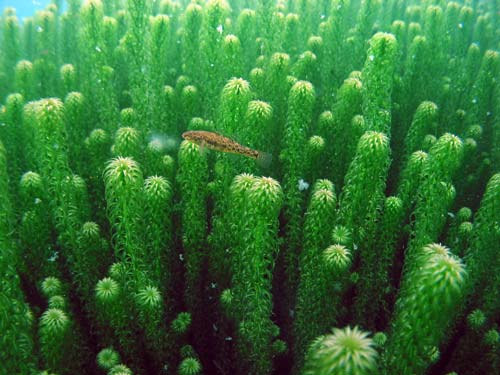
After many attempts trying to get rid of lagarosiphon at the Groynes, the Christchurch City Council is now invested in a new long-term solution: installing a special mat lining on the lakebed to control the weed. This same type of matting has already been used in larger lakes like Lake Dunstan in the Otago region.
Because the Groynes are much smaller in size compared to the bigger lakes, the actions of anglers can have a real impact on whether this investment works. The long-term protection of these lakes depends on it.
The good news? Making just a few simple changes to how you fish can make a huge difference.
What impact can your fishing have?
With the new matting the Christchurch City Council is installing on the bottom of the lakes, there is a high risk that anglers can pull up or dislodge the lagarosiphon control matting on the bottom of the lakes. If this matting is damaged, there is a high risk that lagarosiphon will continue to spread in the lakes and into the connected waterways.
NOTE: North Canterbury Fish & Game have not been given a confirmed date for when the matting will be installed on the lake bed.