Back to Hunting Knowledge Hub
Code of Conduct
Fish & Game New Zealand encourages all hunters to act responsibly and uphold the highest ethical standards while in the field.
Fish & Game wants hunters to be ethical and responsible when in the field, for the best practice advice we recommend that you read our code of conduct can which can be downloaded here.
In 2017 an updated code of conduct for freshwater sports fishing was developed and presented to the NZ Council as part of the Otago Council’s response on the issue of angling ethics and catch and release. Further discussions with staff identified the potential to similarly review the code of conduct for game bird hunting.
In particular the current code of conduct does not place adequate emphasis on the humane treatment of game birds and could be clearer in communicating key aspects of ethical behaviour for hunters.
The following draft code of conduct for game bird hunting has been developed in the same format as the angling code of conduct, grouping the key ideas under four responsibilities.
These four responsibilities align with the angling code of conduct to enable clear and consistent messaging across Fish and Game regarding the expected standard of behaviour for licence holders; both when hunting and fishing.
Game bird hunting is a treasured pastime for New Zealanders across the country.
With the enjoyment of a natural resource comes a responsibility to ensure its sustainability and to behave responsibly and ethically, in order to safeguard the future of hunting for all New Zealanders.
Fish and Game New Zealand (comprised of 12 regional Fish & Game Councils across New Zealand and one National Council) are the statutory managers of game bird hunting in New Zealand and represent the interests of hunters.
This Code of Practice outlines our responsibilities as game bird hunters to support the practice of ethical hunting.
The Code of Practice for Game Bird Hunting outlines our four key responsibilities as hunters:
- Hunt humanely
- Protect game bird resources and our hunting traditions
- Care for the environment
- Respect the rights of others.
These four key responsibilities incorporate 14 specific principles:
Guides


Treat Game Birds Humanely
Shoot only within the effective range of our firearm and our capabilities, and only when a quick, clean kill is likely.
By understanding the effective range of our firearm, using the appropriate legal ammunition, patterning our shotguns and practicing improving our skills, we ensure that a quick, clean kill is likely. This gives regard to the welfare of the game birds and ensures a successful and enjoyable hunting experience.
We ensure a quick, clean kill is likely by:
- Making sure your gun fits properly and is well maintained.
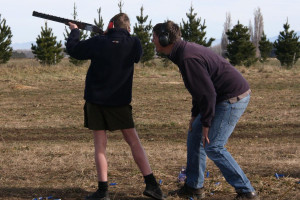
- Practicing your shooting skills before the season opens.
- Attempting to Pattern your shotgun to determine effective load/choke combinations and effective range (normally a maximum of 30 – 40 m).
- Waiting until the bird are close and within range, never shooting at birds out of range or ‘skyblasting’.
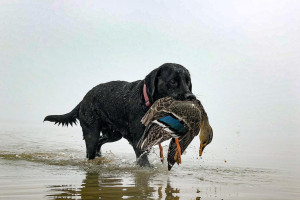
Retrieve all shot birds promptly & dispatch wounded game birds quickly and humanely.
By retrieving all harvested birds promptly, you reduce predation by scavenging species such as harrier hawks and reduce the potential for meat to spoil and ensure that any wounded birds are dispatched quickly.
It also allows an accurate count of shot birds to be kept so that bag limits are not exceeded.
Retrieve shot birds and dispatch wounded birds efficiently by:
- Only shooting when confident the shot bird can be recovered.
- Retrieving birds immediately – do not wait until the end of the hunt to recover birds.
- Using a trained gun dog or having another means ready to retrieve birds when hunting around water.
- Dispatching wounded game birds quickly and humanely by rapid dislocation of the neck or using specially designed game bird dispatching tool.
Respect the resource and value our game birds
Our treatment and handling of game birds is a direct reflection of the respect we have for game birds, our appreciation of the resource, and our commitment to protecting the hunting tradition for future generations.
Respecting the resource means:
- Use appropriate ammunition for the species and size being targeted.
- Storing game birds in a cool shady place away from direct sun and making appropriate preparations to store dressed carcasses/meat so that it does not spoil.
- Avoiding waste and never discarding any harvested game birds
Protect Game Birds Resources and Our Hunting Traditions
Understand and observe all hunting regulations and licencing requirements.
Fish and Game New Zealand set and enforce regulations to manage our game birds and the quality of the hunting experience. Regulations safeguard the sustainability of the hunting population by placing limits on harvest, season length and methods.
Understanding and observing all hunting regulations means:
- Obtaining the required licence and permits, carrying it at all times when hunting, and producing it if requested by a Fish and Game Ranger
- Becoming familiar with Fish and Game’s regulation guide, including both the First Schedule for regulations generally common to all regions, and the Second Schedule for regional hunting regulations
- Checking the bag limit and season length regulations of the targeted game bird before commencing hunting
- Ensuring we can accurately identify and distinguish game birds and protected species
- Reporting any illegal game bird hunting activity or inappropriate behaviour to the local Fish and Game office
Support game bird management and habitat enhancement activities.
Sustainable and productive game bird populations rely on the maintenance, protection and enhancement of wetlands and other game bird habitats.
Support efforts to manage our game birds and their habitat by:
- Cooperating with the collection of harvest and hunting effort data
- Reporting any banded game birds harvested
- Participating in research, educational and enhancement projects
- Participating in public processes concerning matters involving game birds and their habitats
- Participating in Fish and Game elections and submitting on consultative and long-term planning processes
Take no more than our immediate needs.
We can limit pressure on game bird populations by limiting what we harvest; taking only the game birds we require for our own immediate needs.
When hunting game birds taking no more than our immediate needs means:
- Only killing game birds we intend to eat, and not taking more than we need
- Treating bag limits as limits, not as targets.
Share our knowledge and foster attitudes and behaviour in hunting companions and youth.
Introducing and mentoring new hunters and youth is important to safeguard the future of our hunting traditions.
We share our knowledge and foster ethical attitudes by:
- Being generous sharing our knowledge, skills, and hunting opportunities with novice hunters
- Being a good example of a safe and competent hunter, obeying all regulations and always behaving in an ethical manner, even when there is no one else there to observe our behaviour
- Promoting ethical game bird hunting practices and choosing not to hunt with unethical companions
Care for the Environment
Remove all rubbish from the hunting area and dispose of offal and carcasses responsibly.
Rubbish and pollution can affect the health of the environment and wildlife and can degrade the outdoor experience of others.
Removing rubbish and caring for the environment means:
- Taking all rubbish and gear away from hunting sites including decoys, empty cartridges, where possible remove plastic wads and all personal litter
- Dispose of game bird offal and carcasses responsibly – offal and other waste must not be left at the hunting site or dumped in public areas. Bury or discard discretely out of sight.
- Report pollution of waterways to the local council or Fish and Game office
- Preventing the spread of aquatic pests when moving between waterways: CHECK, CLEAN, DRY all hunting equipment, including dogs
Use non-toxic shot and biodegradable products.
Lead is a toxic heavy metal which has been found to have detrimental effects on the health of game bird populations, other wildlife and the environment.
There is no known level of lead exposure that is considered safe for humans. Using non-toxic shot means:
- Complying with all regulations regarding the use of non-toxic shot
- Using appropriate non-lead ammunition for hunting waterfowl
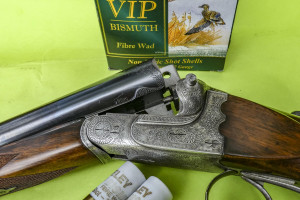
The introduction of a fully biodegradable wad for shotshells opens a new door for sustainability in hunting. Care about the environment and the impact of plastics in nature.
- use biodegradable products such as wads where ever possible.
Use established tracks and roads.
Off-road access can contribute to erosion, vegetation loss and disturb riverbeds.
Using established tracks and roads means:
- Using designated access points and roads, and avoid straying from established tracks
- Sticking to marked tracks on riverbeds or parking and walking to the hunting site
- Using established fords when crossing rivers where possible
- Avoid obstructing access when parking vehicles
- Never shooting on or across any public road
Respect the Rights of Others
Respect private property and always ask for access permission.
Public access to our rivers and waterbodies is at the heart of our Kiwi way of life and hunting traditions. However sometimes access over private land is required and this privilege is given at the discretion of the landowner. As a hunting community we all have a responsibility to behave appropriately while on private land to ensure continued access into the future.
Respecting private property means:
- Asking the landowner for access
- Never shooting onto or across private property without permission from the property owner
- Never shooting in a direction that will place or cause shot fall on the roof or any part of a dwelling or neighbouring buildings
- Leaving gates as they are found
- Not disturbing stock, crops, machinery or other property
- Ensuring our dogs are under control at all times and vaccinations and worming are up to date
Be considerate of non-hunters.
We all hunt for a variety of reasons and may take enjoyment from different aspects of our hunting experience. People unfamiliar with hunting may not understand why we hunt or may even disagree with hunting.
Be aware that for some people the presence of firearms, hunters wearing camouflage or dead animals may be intimidating or uncomfortable. Ensuring the ongoing acceptability of hunting will be determined by the views of hunters and non-hunters alike. It is important that we are respectful and considerate of the perspectives and feelings of non-hunters and remember that our behaviour will reflect on people’s opinion of all hunters.
Being considerate of non-hunters means:
- Being thoughtful about displaying (including social media posts of large numbers of harvested birds), transporting and disposing of hunted birds and/or carcasses
- Keeping firearms stored safely and out of sight when travelling
- Communicating respectfully with people who have different views to our own
- Respecting the rights of all outdoor users even if their activity is not ideal for our own hunt
- Being respectful about what we post on social media
Be aware of our safety and the safety of others when hunting.
Caring about safety means:
- Checking the weather and being prepared for the conditions
- Notifying someone about your intentions, particularly if hunting remotely or from a boat
- Wearing a life jacket when using a boat or other flotation device.
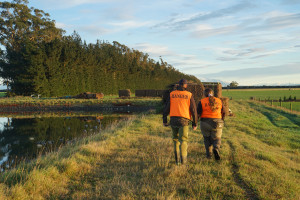
- Wearing appropriate high visibility clothing, particularly when upland game hunting
Comply with the Arms Act 1983
Comply with the Arms Act 1983 and always follow the 7 Firearms Safety Rules: