Back to Hunting Knowledge Hub
Gamebird preparation, butchery and cooking
When you take up game bird hunting, you will gain access to some of the finest wild game ingredients.
When you take up game bird hunting, you will gain access to some of the finest wild game ingredients, highly prized by chefs around the world.
But like any quality ingredient, getting the best eating experience from these birds requires knowing a few culinary basics.
Guides
Food safety
As game bird hunting involves the collection of food for human consumption, namely wild poultry, we need to keep food safety front of mind when hunting.
When waterfowl hunting this starts as soon as a shot duck hits the water. Promptly retrieving shot waterfowl reduces the chance of water soaking into the down and seeping into shot damage. Pond/river water carries bacteria, which speeds up spoilage, so make sure your dog or designated duck fetcher is on the job quickly.
Once retrieved, don’t leave birds piled up in a heap or exposed to direct sunlight. The heat from the birds, combined with the sun, creates the perfect environment for bacteria to thrive. Instead, hang them individually in the shade where there is good airflow and allow them to cool. While in the field, upland game hunters should transport their birds in a breathable game bag or pillowcase.
Once the hunting is done for the day, pluck and gut your game birds as soon as possible. This will help minimise the risk of spoilage from bacteria inside the body cavity. As soon as your birds are cleaned, get them into a chilly bin with ice or into a fridge. Like any meat, game birds need to be kept cold to stay safe and delicious.
“Hanging” birds to gain a “gamey” taste is NOT applicable or safe in New Zealand.
Taking these simple steps will help ensure your game birds are in top condition by the time they reach they reach your fry pan, roasting dish and plate.
How to pluck and prepare a duck
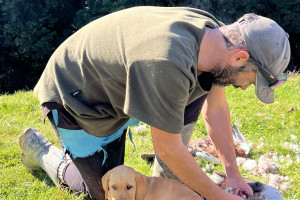
Plucking a duck takes a bit of time, but it’s well worth the effort as cooking a duck breast or whole duck with the skin on adds a lot of flavour.
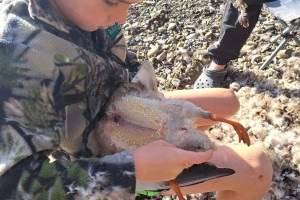
If possible, start plucking while the bird is still warm, this makes the feathers much easier to remove. Begin with the breast and legs, pulling the feathers gently against the direction they grow. Next, tackle the larger tail feathers. These require a firm pull in the direction they grow. Use your thumb and forefinger to pinch and remove the small feathers around the oil gland, which also needs a strong pull to detach cleanly.
Move on to the back of the duck, the wings and the neck; pluck at least halfway up the neck and up to the first joint of the wing. The white feathers under the wing will need to be pinched out, while the large primary flight feathers usually require a firm tug.
Don’t worry too much about the fine down feathers as you can singe these off once plucking is complete. Use a small gas torch to carefully burn off any remaining fluff, taking care not to scorch the skin too much.
Once fully plucked, you can remove the feet, head and unplucked portion of the wing with a knife before gutting the bird and rinsing with water. If freezing the whole bird or breasts, ensure the meat is dry and put in vacuum sealed bags or butchery plastic bags. Meat can last approximately one year in a good freezer. When thawing, do this in the fridge over multiple days, not just left on the kitchen bench as this detracts from the flavour and may create food safety issues. From there, it’s ready for cooking whole, skin-on, for maximum flavour or breaking down into the different parts for different cooking approaches
More heavily shot birds, the breast meat can be salvaged and then collected over the season in the freezer, for processing at your local butcher for sausages or the desirable game bird salami.
How to breast a duck
The mallard is the mainstay of game bird hunting in New Zealand, and hunters are often interested in alternative methods for utilising harvested birds. Breasting is an effective way to extract prime meat and is particularly useful for badly damaged birds where full plucking is not desirable.
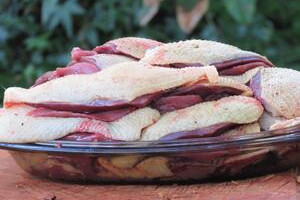
Retaining the breasts on the bone (sternum) increases portion size by capturing all breast meat, keeps the skin attached to enhance flavour, and allows the meat to be cooked using methods similar to traditional roasting. Tying two breasts together, inserting stuffing between them and roasting, produces an excellent result.
This simple method of breasting on the bone is as follows:
- Pluck all breast feathers from the lower neck to the gut area, ensuring feathers are removed right to the base of the wings.
- Cut a slice across the bird just below the sternum.
- Insert fingers, then while firmly holding the tail and feet, pull the base of the sternum strongly towards the head.
- Once the sternum is fully extended towards the head, use a knife to separate it from the remaining rib cage by cutting down around the inside of the sternum towards the backbone.
- Finally, cut upwards towards the head through the neck meat and skin to separate the breasts from the bird.
- Tidy the meat and wash thoroughly before freezing.
The fourth step can be difficult initially but becomes straightforward with practice. Although not commonly used, this method can also be applied to breasting pheasants and other duck species. However, this approach is not well suited to paradise shelduck.
How to Cook a Duck – the basics
Two of the most popular ways to cook duck are seared duck breast and roasted whole duck. Both methods are simple and delicious, once you know the key steps.
Seared duck breast
When preparing a bird for breasting, leave the skin on as this provides fat and flavour. Season both sides with salt or your preferred seasoning. Heat a pan over medium-high heat with a little oil, then place the breast skin-side down. Cook for about 4 minutes until the skin is crisp and golden. Flip and cook for another 4 minutes. The goal is medium so the breast should still be pink in the centre. Overcooking the breast can make the meat dry and strong-tasting. Serve with your condiment of choice.
Fast-roast whole duck
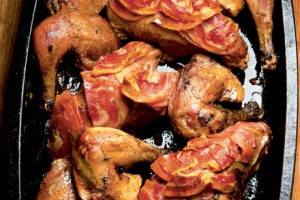
While whole ducks have been traditionally roasted ‘low and slow’, the ‘high and fast’ method delivers a better finish on the skin and tender meat without drying it out.
Start by patting the duck dry with paper towels. Drizzle some oil on the duck before seasoning generously with salt, including inside the cavity. You can add herbs inside for extra flavour.
Preheat your oven to 250°C. Place the duck breast-side down in a roasting tray and cook for about 22 minutes. Smaller ducks may need a bit less time; large drakes may need a bit more.
Once done, rest the duck for 4–5 minutes before carving. There should be some pinkness remaining in the breast.
Fish & Game cookbook
Fish & Game with renowned game chief Angelo Georgalli have produced ‘The Fish & Game Cookbook’ detailing many recipes covering all of our game birds. This resource is a nice addition to the kitchen and a great present to the hunter and chef in the family. It can be purchased here.