Back to Hunting Knowledge Hub
Introduction into Gamebird Hunting
Welcome to the Fish & Game Hunting Knowledge Hub.
This section of our website is designed to teach you everything you need to know to get started with game bird hunting in New Zealand. This hub provides useful information and videos on the different game bird species, equipment requirements, hunting regulations, safety and ethics, how and where to hunt, as well as tips on preparing your game birds for the table.
Guides
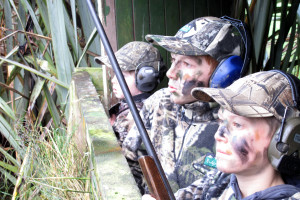
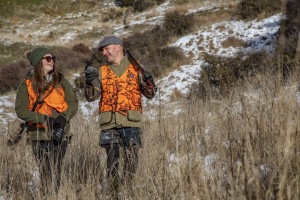
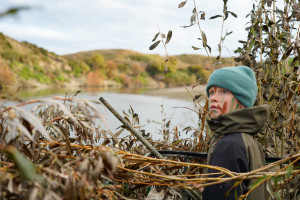
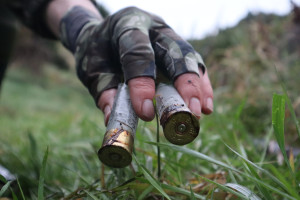
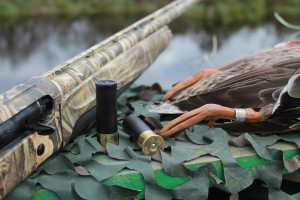
Overview of game bird hunting in New Zealand
Game bird hunting is a favourite pastime and longstanding tradition for many New Zealanders, combining the outdoors, quality time with friends and family, and the satisfaction of harvesting your own free-range food.
There are 11 game bird species to hunt in New Zealand, including six waterfowl and five upland game birds. Each species has unique characteristics, habitat preferences, and offers different hunting challenges.
Waterfowl hunting might see you setting out decoys on a large coastal lagoon or estuary, tucked into a maimai on a private wetland, or stalking ducks along a creek. Upland game hunting on the other hand, might take you through plantation forests, across coastal dunes, or into high-country scrub in search of pheasants or quail.
As you work through this Knowledge Hub, you'll gain the information and confidence needed to get started. Whether you're new to the pursuit or looking to sharpen your skills, we hope this resource will help you make the most of New Zealand’s diverse and bountiful game bird hunting opportunities.
Game Bird Hunting Licence Requirements
To hunt game birds in New Zealand you must have a valid game bird hunting licence. The management and conservation of game bird populations are funded entirely through the sale of these licences.
Types of licences available:
Whole Season Licence (annually issued)
The best value option, allowing you to hunt throughout the entire season. Available in three categories:
- Adult
- Junior (under 18)
- Child (under 12)
Day Licence
Available from two weeks after Opening Weekend of the game bird hunting season. This is a great option for those wanting to try game bird hunting without committing to a full season.
If you would like to buy a game bird hunting licence, click here.
Hunting Safety
Game bird hunting is a safe and enjoyable activity, but like any pursuit involving firearms, it comes with potential risks.
The key to eliminating these risks is following safe hunting practices, most importantly, by always applying the Seven Firearms Safety Rules.
These rules are the foundation of responsible firearms use and help ensure the safety of yourself, your hunting companions, and others. These safety rules are outlined in Section “Shooting – How To”.
In addition to firearm safety, there are two other key precautions to keep in mind while game bird hunting, namely, water safety and hearing protection.
As game bird hunting can involve using small boats, it is important to wear a lifejacket. As often, waterfowl hunting occurs in and around water, many hunters wear waders. When wearing waders it is highly recommended to wear a wading belt. Furthermore, because shotguns are loud and can cause permanent hearing damage, protecting your hearing by wearing earplugs or earmuffs is strongly recommended.
Hunting ethics
To help hunters uphold the highest standards of hunting ethics, Fish & Game has established a detailed Code of Practice for Game Bird Hunting.
We encourage all hunters to familiarise themselves with this code and adhere to it. Below, this code is summarised into four key responsibilities and fourteen principles:
Hunt humanely
1. Shoot only within the effective range of your firearm and your capabilities, and only when a quick, clean kill is likely.
2. Retrieve all shot birds promptly and dispatch any wounded game birds quickly and humanely.
3. Respect the resource, value our game birds and eat what you shoot.
Protect game bird resources and our hunting traditions
4. Understand and observe all hunting regulations and licensing requirements.
5. Support game bird management and habitat enhancement activities.
6. Take no more than your immediate needs.
7. Share your knowledge and foster ethical attitudes and behaviour in hunting companions and youth.
Care for the environment
8. Remove all rubbish from the hunting area and dispose of offal and carcasses responsibly.
9. Use non-toxic shot and biodegradable products.
10. Use established tracks and roads and never shoot from or across formed public roads.
Respect the rights of others
11. Never access, shoot onto or across, private property without permission.
12. Be considerate of non-hunters.
13. Be aware of your safety and the safety of others when hunting.
14. Comply with the Arms Act 1983 and always follow the seven Firearms Safety Rules.
Check, Clean, Dry (CCD)
The Check, Clean, Dry (CCD) message is an important one for waterfowl hunters. Because hunters often move between different wetlands, rivers and lakes in search of waterfowl, there is a risk of unintentionally spreading unwanted aquatic pests.
These include algae (like didymo), weeds, and even invasive fish species (through their eggs), all of which can hitchhike on gear, boats or vehicles.
To help protect our waterways, it’s important that hunters follow the CCD process between hunting locations:
Check – Carefully check all gear, clothing, waders, decoys, boats and trailers for any plant material, mud, or water. Remove anything you find.
Clean – Wash gear thoroughly with fresh water, paying special attention to seams, crevices, and equipment that holds water (e.g. waders, decoy lines, boat bilges).
Dry – Ensure all gear is completely dry to the touch before using it in another waterway. Drying in sunlight for at least 48 hours is best.
If you can’t fully dry your equipment before moving to another waterway, the cleaning will need to be more intensive and involve the use of a cleaning solution (e.g., detergent).
By taking these steps you will help stop the spread of unwanted pests that could harm our wetlands, rivers and lakes.