Back to Hunting Knowledge Hub
Maimai / hunting blinds
Maimai, also known as hunting blinds, are a cornerstone of New Zealand waterfowl hunting culture.
They are built by hunters to provide a concealed position from which to hunt waterfowl. While their primary purpose is concealment, maimai can also offer shelter from poor weather conditions.
Guides
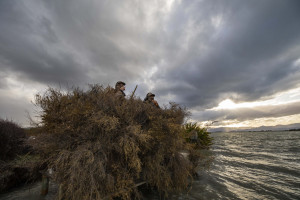
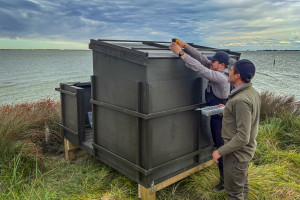
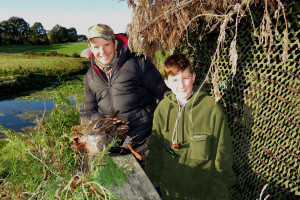
Types of Maimai
Maimai can be broadly categorised as permanent or temporary, depending on their location and construction.
Permanent Maimai
- Constructed from long‑lasting materials such as timber, corrugated iron, and plywood, and then ‘scrubbed’ (camouflaged) with natural vegetation.
- Typically built on private land, where restrictions on structures are minimal.
- They can vary in size and complexity. Can be compact, designed to provide for one to two hunters, or relatively large with extra features like sleeping quarters or kitchen areas.
- Note: there are legal restrictions when building maimai on public land and reserves. Check with your local Fish & Game region regarding what you can do.
Temporary Maimai
- Designed for easy assembly and disassembly between hunts/seasons, often built with lightweight materials like tarpaulins, waratahs, wire mesh then finished with natural scrub or cammo nets to blend into the surroundings.
- Common on public land where the construction of permanent structures can be restricted/prohibited.
- Can also include commercially made pop-up maimai constructed with tent-like waterproof materials (e.g. “A” frame blinds).
Layout Blinds
- Very common with keen paddock hunters, these “coffin” style blinds are low profile and designed to be covered with grass or stubble to replicate the surrounding cover. A very mobile option and especially good as the season progresses. Good for mallards and paradise shelduck.
Maimai Design Considerations
Waterfowl hunters often put a great deal of effort and creativity into their maimai, adding all sorts of features for extra comfort.
While those comforts can be nice, the primary purpose of a maimai is to conceal your presence and provide a safe, effective shooting platform. Keep these tips in mind when building or refining yours:
Visibility
- Ensure you can see approaching waterfowl from all angles.
- Open‑top or partially open roofs over shooting platforms provide clear sightlines and reduce the risk of missing a bird that drops in unexpectedly.
- Vegetation near the maimai should be trimmed to increase visibility.
Swinging the Shotgun
- Design your maimai for ample space near the shooting area so you can smoothly mount and swing your shotgun.
- Avoid structural beams, low rafters, overhanging roof panels, or excessive scrub that obstruct your follow‑through and limit your shooting window.
Scrubbing and Camouflage
- Apply any scrub well before Opening Weekend to let it settle and look natural.
- Don’t over‑scrub the shooting area. Too much vegetation can block your view and restrict your movement.
Colour and Reflectivity
- Match your materials to the surrounding environment.
- Avoid shiny or bright surfaces (e.g., new corrugated iron, white tarpaulins, reflective tape) that can catch light and spook birds. Stick to drab greens and browns.
- Make sure you paint your timber and iron to reduce glare. Importantly paint the inside of your maimai also – as this reduces glare and hunter movement.
How to Camouflage Your Maimai
Camouflaging your maimai is an important consideration because if something doesn’t seem quite right waterfowl may avoid the area, reducing your chances of a successful hunt.
Keep the following tips in mind:
Attach local vegetation – Gather branches and scrub from the immediate area and secure them loosely to your maimai exterior. Refresh this foliage as required.
Integrate wetland vegetation – Plant or position local wetland species such as flax, willows and carex around your maimai to help it blend into the environment. A quick trim of these plants each season keeps them looking natural.
Use matte, natural‑tone paints – Any exposed man-made materials (e.g., metal) should be coated in matte finish paint. Avoid gloss or bright colours that can reflect light and give away your position.
Camouflage netting – Purpose‑made camo nets are lightweight, flexible and portable. You can drape them over your maimai to break up straight edges and conceal both the structure and your movements.
Note: As ducks become wary during the season because of hunting pressure, they can avoid even the most well disguised structure. Often, positioning yourself in natural cover, with good camouflaged clothing, can result in more birds decoying into range and ultimately a better harvest.