Back to Hunting Knowledge Hub
When to hunt
Game bird hunting starts the first full weekend in May annually throughout the country.
This is a long-held tradition and to many this opening weekend start is bigger than Christmas.
Note however, post opening weekend that season lengths vary region to region and it is your responsibility to know these regulation differences. Generally, the game bird hunting season goes for three months, May, June and July.
While game bird hunting in New Zealand is confined to your region’s length, waterfowl behaviour, and therefore your hunting tactics, can change dramatically as the season progresses. Factors such as weather, hunting pressure, food availability, and daily flight patterns all play a role.
By understanding how these elements influence where and when ducks move, you will be better positioned to pick the right times and employ the most effective strategies for your hunts.
Guides
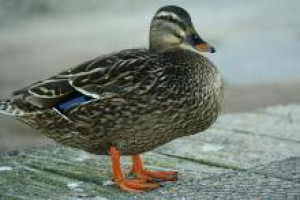
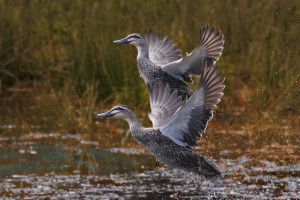
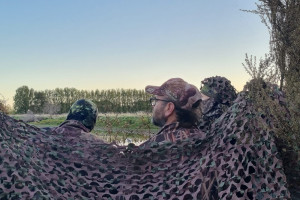
Mallard Behaviour Through the Season
In some Fish & Game regions, the waterfowl season runs from May to July, covering late autumn through to mid-winter. Throughout this period, mallard behaviour changes considerably due to both natural seasonal patterns, hunting pressure and breeding ecology.
Opening Weekend
At the start of the season, mallards often gather in large groups, with a high proportion of young, naïve birds that are more vulnerable to decoys and calling. Hunting pressure is also highest during this time, so hunter disturbance keeps waterfowl moving and makes them easier to hunt. Due to these factors, hunting success is typically highest during this time.
Mid-May
Following Opening Weekend, ducks may still be found in sizeable groups. While they remain responsive to calling and decoy spreads, they tend to be more cautious, especially in heavily hunted areas. In areas with higher hunting pressure, larger decoy spreads are often needed to compete with other hunters and effectively draw birds in.
June
As the season progresses, hunting pressure often decreases. Mallards begin settling into more consistent movement patterns between loafing and feeding areas. However, these patterns can still be disrupted by weather events or hunter/human disturbance. Ducks may still be seen in small to medium-sized groups during this time.
July
By July, mallards typically become more pair oriented as the breeding season approaches. They are much more fixed in their routines and less responsive to calling or decoys. While they may still loaf in groups during the day, they often fly in pairs or small groups and are difficult to pull off their intended path. At this stage of the season, successful hunting relies heavily on careful scouting to identify exactly where the birds want to be.
Closing weekend
The date of the closing weekend will vary depending on region, but this weekend can see an uptick in hunting activity and therefore waterfowl movement. This can create opportunity to call and decoy birds that are displaced during the uptick in hunting activity.
Waterfowl Daily Movement Patterns
Understanding waterfowl movement patterns can significantly improve your hunting success. Ducks and other waterfowl typically move between feeding, resting (loafing), and roosting sites on a daily basis, often following consistent routines.
Most movement happens during the first and last hours of daylight. During morning flights, mallards are usually returning to loafing areas such as ponds or wetlands after overnighting elsewhere. In the evening, birds often leave these loafing areas to head back out to feed.
The exact timing of these movements can vary but generally falls within the first and last couple of hours of daylight. However, ducks may also move throughout the day, particularly in response to hunting pressure or other human disturbance. For instance, daily dairy farm activities around 9:30 a.m. often disturb ducks as stock are moved off the paddocks.
Weather and Food Availability Considerations
Environmental factors like weather and seasonal food availability play a major role in influencing waterfowl movement and behaviour.
Understanding how ducks respond to these changes can help you plan more successful hunts. Keep the following factors in mind:
Strong winds or storms: Waterfowl often leave exposed areas such as estuaries and large lakes during rough weather and move onto smaller, more sheltered wetlands, rivers or farmland. Often ducks will move ahead of these storm fronts hitting, so watching the weather closely and being in position early can reap rewards.
Heavy rain: Heavy rainfall can significantly influence waterfowl behaviour by creating temporary surface water in paddocks, providing new feeding and dabbling opportunities. Ducks may shift away from their usual waterbodies to take advantage of these flooded areas. Prolonged rain can also cause rivers to flood, forcing ducks to leave these areas and seek shelter and food elsewhere, often creating new hunting opportunities in alternative locations.
Harvested paddocks: Recently harvested maize paddocks, especially early in the season, provide high-quality feeding sites. Ducks will often feed heavily on such areas.
Frosty conditions: A hard frost, or several days of consecutive frosts, can push ducks off paddocks and onto nearby waterbodies as feeding becomes harder on frozen ground.
Moon phase: Although waterfowl will fly at night, more movement can occur on full moon. This can lead to ducks arriving at morning hunting spots earlier than expected, sometimes well before shooting .
Being aware of these environmental cues will help you anticipate where and when ducks are likely to be active and when it might be better to hold off on a hunt so conditions can improve.
Scouting
Successful game bird hunting often comes down to good preparation, and that starts with scouting. Simply turning up to a pond or river without any prior homework can lead to disappointing results, or in some cases, unsafe hunting situations.
When it comes to duck hunting, scouting is the process of working out whether waterfowl are using a site and if so, how and when they are using it. It is also a chance to assess safety considerations, such as the presence of nearby stock, roads or property that may be in your firing zone.
Scouting, done well, will give you a much greater chance of success. Keep the following in mind when scouting.
Waterfowl activity: Are ducks using the site? If not, there may be a reason, such as better habitat nearby, lack of feeding/loafing opportunity, or too much disturbance.
Waterfowl location: If waterfowl are using a site, which parts are they favouring? For example, on a large wetland, birds may concentrate their activity in certain bays or sheltered areas.
Timing: When are the ducks arriving? Knowing whether birds are coming into a site at dawn or dusk will help you plan your hunt.
Safety - Always assess whether it’s safe to hunt at your chosen spot. For example, are there buildings, stock, maimai or public roads within your potential firing zone?
Disturbance - Minimise disturbance during your scouting. The quieter and more discreet you can be, the better. Use binoculars to observe from a distance and avoid approaching too closely in vehicles or on foot.
Planning - If your scouting confirms waterfowl are present and the site is safe to hunt, it is best to hunt the next day, if possible, before weather conditions change or birds are disturbed by other hunters or human disturbance.
Taking the time to scout properly will improve your success rate and contribute to a safer, and more enjoyable hunt.