Back to Hunting Knowledge Hub
Where to hunt
Understanding where to hunt is crucial for game bird hunting success.
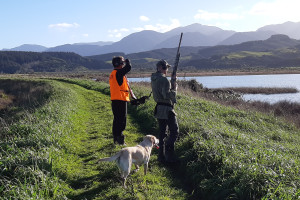
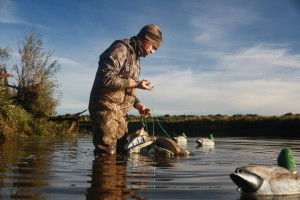
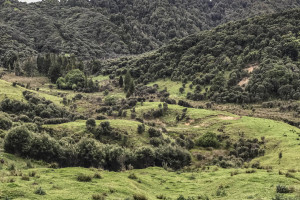
Game birds inhabit a wide range of environments. Waterfowl for example, can be found on ponds, wetlands, lakes, streams, estuaries, and agricultural paddocks while upland game species are typically found in plantation forests, riverbeds, and areas of scrub. These habitats may occur on either public or private land, and different access permissions apply depending on land ownership.
Guides
Identifying public land for game bird hunting
Access to game bird hunting opportunities on public land is made possible through several mechanisms.
These include:
Surveyed legal roads – these can be both formed and unformed (paper) roads. These surveyed roads can run alongside rivers and wetlands. Whether formed or unformed, they provide the same legal access rights.
Department of Conservation (DoC) managed Crown land – which may include conservation reserves, conservations areas or wildlife management reserves where hunting is permitted with appropriate permits. To see if a permit is required for the area of conservation land you plan to hunt, contact your local Fish & Game office.
DoC marginal strips – strips of land adjoining waterways that are legally reserved for public access.
Crown owned riverbeds (hydro parcels) – often provide for public access and are frequently used by hunters. It is good practice to alert any near-neighbouring landowners of your intentions before setting out for a hunt.
Estuaries - In some coastal estuaries, game bird hunting is permitted. However, there may be specific restrictions including areas where hunting is not permitted and rules around construction of temporary or permanent maimai. Always check with your local Fish & Game office for site-specific regulations before planning a hunt in these areas.
A useful tool for locating these access mechanisms is the Walking Access Mapping System on the Outdoor Access Commission website. This map clearly shows areas of public access.
Hunting on private land
Access to private land for game bird hunting comes in several forms:
Fish & Game-owned or managed wetlands – Some Fish & Game regions own or manage wetlands that are balloted out for game bird hunting during the season. To see if there are any Fish & Game owned wetlands in the area you plan to hunt, contact the local Fish & Game regional office.
Private Farms (ponds/wetlands) – Many hunters gain access to ponds and wetlands on private farms, often through connections with family or friends. Hunting activity on farms can vary through the season; some properties are only hunted on Opening Weekend, while others see regular use throughout the season.
Private Farms (woodlots/scrub) – Upland game hunters
Hunting Pheasants on Preserves – If you are keen to hunt pheasants but don't have access to private land or suitable habitat, licenced game bird preserves are a great option. These preserves operate under special permits and offer controlled pheasant hunting in designated areas, often with the option to bring your own dog or use a guide.
Forestry Blocks – These can offer opportunities for both waterfowl (e.g. ponds and wetlands) and upland game hunting (e.g. pheasants). Access policies vary by forestry company. If you are interested in hunting in commercial forests, contact your local Fish & Game office for advice; they may already be aware of the access arrangements or can make inquiries on your behalf. Some Fish & Game regions have agreements with the forest owners to manage access for hunters.
Etiquette when seeking access to private land for game bird hunting
Gaining landowner permission is a key part of responsible game bird hunting.
Making a good first impression can go a long way toward building trust and securing access. Keep the following etiquette tips in mind:
Approach respectfully: When approaching a landowner, whether at their yards or the farmhouse, always do so with respect. A friendly wave from a distance, followed by a smile and polite self-introduction helps set the right tone. Avoid turning up in your full hunting gear, as this can come across as presumptive. Always approach with the understanding that access is a privilege, not a right.
Be clear and courteous: Introduce yourself as a keen game bird hunter, explain why you're there, and ask politely for permission to hunt.
Come prepared: Have an aerial photo printed off, or a map layer on your phone opened showing the location you would like to hunt. This will help you communicate where on a property you are seeking to access.
Respect the answer: If the landowner declines access, accept their decision respectfully and thank them for their time. While access might not be granted at that point in time, your respectful approach may leave the door open for access in the future.
Follow any conditions: If permission is granted, be sure to respect any conditions the landowner sets such as where you can hunt, where to park, what laneways you can drive down, times you can access the property etc.
Follow standard access practices: Leave gates and fences as you find them and avoid disturbing stock.
Show appreciation: A follow-up ‘thank you’ (in person or a note) goes a long way, especially if you would like to return in the future.
By following this process, you will demonstrate that you are a trustworthy hunter enabling you to build and maintain good relationships, which can make securing access in the future much easier.
Don’t be put off if your request is declined. Try another property, with the same courteous approach, and you’ll find that a door/gate will open for you.