Defending New Zealand's outstanding waters
- 18/09/2025
Dear Fish & Game Licence Holders,
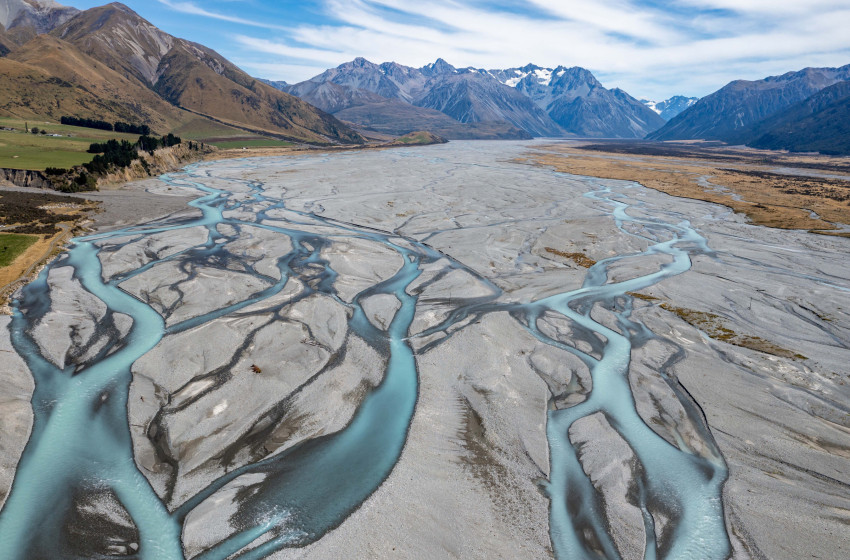
Many of New Zealand's most precious waterways are under pressure. The "National Parks of our waterways" – those protected by Water Conservation Orders (WCOs) – face serious challenges, and Fish & Game is leading the fight to preserve them for future generations.
What's at stake
Water Conservation Orders represent the highest form of legal protection for New Zealand's most outstanding rivers, lakes, wetlands and aquifers.
These 16 protected waterways, including iconic destinations such as Canterbury’s Te Waihora/Lake Ellesmere and the Kawarau River in Central Otago, are the crown jewels of New Zealand's freshwater heritage.
Fish & Game has been instrumental in securing 12 of these 16 protections – safeguarding world-class trout fisheries, swimming holes, and the cultural and recreational values that define the New Zealand experience.
Challenges
From time to time, we do see attempts to erode these protections, more recently through the Resource Management Act reform processes.
Critics argue these WCOs are "outdated," "too expensive," and create barriers to development.
Their vision would strip away a key legal mechanism that aims to ensure our most outstanding waters cannot be compromised by allocation pressures or degraded by intensive land use. It’s a matter of ensuring that commercial activity in these catchments operates within limits dependant on the specific WCO.
Without WCOs, there would be no equivalent safeguard. Regional planning processes, while important, can change with shifting political priorities and have proven inadequate to protect water quality and quantity in many catchments across the country. Only WCOs provide the enduring, nationally consistent protection that transcends political cycles.
Why this matters to you
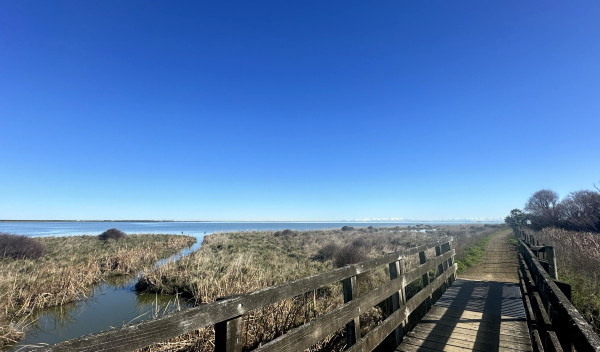
As licence holders, you understand the irreplaceable value of healthy waterways and wetland habitats.
These protected waterways offer:
- World-class fishing opportunities for anglers
- Habitat for game birds and opportunities for hunters to harvest waterfowl.
- Guaranteed access to outstanding recreational waters for swimming, kayaking, fishing and game bird hunting.
- Tourism value that supports local communities and New Zealand's international reputation.
The economic benefits of these protections extend far beyond fishing licences. Tourism to WCO-protected areas is vital to local communities, whilst the recreational, wildlife, angling and cultural values they preserve are simply irreplaceable.
What we are doing
Fish & Game is engaging with the Government about the importance of WCO’s by highlighting that:
- The WCOs are more vital than ever, given widespread water degradation across New Zealand.
- The robust legal processes that established these protections remain sound and democratic.
- There are already mechanisms within the law for review and amendment when needed.
- Regional planning alone has failed to protect water quality in numerous catchments.
We've also proposed targeted improvements to strengthen WCO protections whilst maintaining their core purpose.
Success built on experience
In 2013, we successfully fought off similar threats to WCOs when the Government backed down after a public outcry.
Our advocacy, combined with strong community support, preserved these vital protections for another decade.
The bottom line
Water Conservation Orders protect only a tiny fraction of New Zealand's outstanding waterways.
Fish & Game will continue fighting to ensure that future generations can experience the same sparkling rivers, wetlands and lakes that drew you to angling, game bird hunting and outdoor recreation. These are not just environmental protections – they are investments in New Zealand's natural heritage and our shared outdoor future.
Water Conservation Orders under the RMA (9 orders)
1. Waikoropupū Springs water conservation order 2023
2. Oreti River water conservation order 2008
3. Rangitata River water conservation order 2006
4. Mohaka River water conservation order 2004
5. Motueka River water conservation order 2004
6. Buller River water conservation order 2001
7. Mataura River water conservation order 1997
8. Kawarau River water conservation order 1997
9. Rangitikei River water conservation order 1993
Water Conservation Orders pre-RMA (7 orders)
10. Grey River water conservation order 1991
11. Ahuriri River water conservation order 1990
12. Te Waihora/Lake Ellesmere water conservation order 1990
13. Lake Wairarapa water conservation order 1989
14. Manganuioteao River water conservation order 1989
15. Rakaia River water conservation order 1988
16. Motu River water conservation order 1984
For more information about our advocacy work, visit our website or contact your regional Fish & Game office. Your continued support makes this vital work possible.
Disclaimer:
The information presented in these news items is based on the context and regulations in place at the time of publication. Please note that some articles may include reference to laws and regulatory standards that have since changed. For the most current and accurate information please check our Fishing Licences & Regulations pages or our Hunting Licences & Regulations pages.