ReWild Recipe #2: Trout or Salmon Escabèche
- 28/11/2023
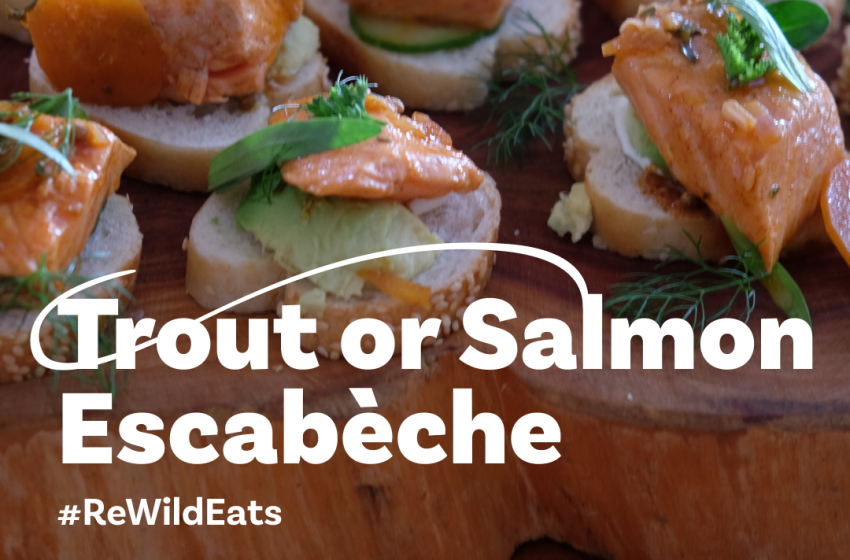
Escabèche Is A Style Of Cooking Popular In Many Countries That Spain Colonised. Try Our #ReWild Recipe Here.
Escabèche is a style of cooking popular as a national style of dish in pretty most all countries that Spain colonised. There are many versions but all share the style of producing a dish that typically uses vinegar, aromatics, usually Spanish paprika and olive oil.
The taste of fresh herbs along with this preparation is perfect for our New Zealand summer.
INGREDIENTS:
- 500g fresh Trout or Salmon cut into half thumb size pieces
- A teaspoon salt
The Escabèche broth:
- 2 teaspoons paprika (the Spanish sweet Pimenton is best)
- ½ a small red onion finely diced
- 1 carrot peeled and sliced as thinly as possible
- 50ml virgin olive oil
- 50ml white wine or cider vinegar
- 50ml water
- Juice of two lemons
- 1 tsp coriander seeds
- 2 garlic crushed cloves
- A few sprigs fresh thyme
- 2 fresh bay leaves
- 1 tsp liquid honey
- A grind of black pepper
INSTRUCTIONS:
- To serve, fresh bread, a cupful of loose fresh garden herbs along with some garnishes such as cucumber or avocado. Mayonnaise can be used as a spread on your bread.
- Cut the trout into ½ thumb sized pieces, sprinkle over salt, cover with kitchen paper and leave for 15 minutes. Pat dry.
- Bring to boil the broth ingredients, simmer for 5 minutes, pour over the salmon pieces, cover to let salmon cook somewhat, not more than a minute or two, allow to cool a little. At this stage you can pour off the liquids and boil down to reduce until you have a thicker sauce, pour back over the fish, cover and chill.
- Serve with fresh or toasted bread, plenty of fresh herbs and garnish of your choosing.
- Credits:
Chef: Tony Smith, Riversmiths NZ
Photographer: Tony Smith
Disclaimer:
The information presented in these news items is based on the context and regulations in place at the time of publication. Please note that some articles may include reference to laws and regulatory standards that have since changed. For the most current and accurate information please check our Fishing Licences & Regulations pages or our Hunting Licences & Regulations pages.