Fighting back for salmon: major wetland restoration opens as pressure on Rakaia fishery mounts
- 18/03/2026
- Maggie Tait
Fish & Game today celebrated the opening of a restored wetland to protect a critical salmon spawning site on one of New Zealand’s iconic rivers.
Chinook salmon numbers are at historic lows on the Rakaia River in mid-Canterbury and anglers are facing tight restrictions on the number of fish they can catch.
Now, a project to restore Glenariffe Stream in the upper Rakaia catchment will add to the safeguarding of more than 380 hectares of high-country streams and wetlands, six times the project’s original target.
Glenariffe Stream contributes around 18% of the wild Chinook salmon that return to spawn in the Rakaia River, however its East Branch had been diverted for 70 years to drain farmland.
As part of the project, the East Branch has now been returned to its original course, restoring 44 hectares of wetland habitat and protecting an important spawning site.
Minister for Hunting and Fishing James Meager today officially opened the site, named the McIntyre Wetland in recognition of a generous $550,000 bequest from the late James McIntyre, dedicated to restoring sea-run salmon in the Waimakariri and Rakaia rivers.
“Restoring habitats like the McIntyre Wetland is a crucial step in securing the future of our wild salmon. This project demonstrates what can be achieved when communities, landowners, and government work together for conservation,” he said.
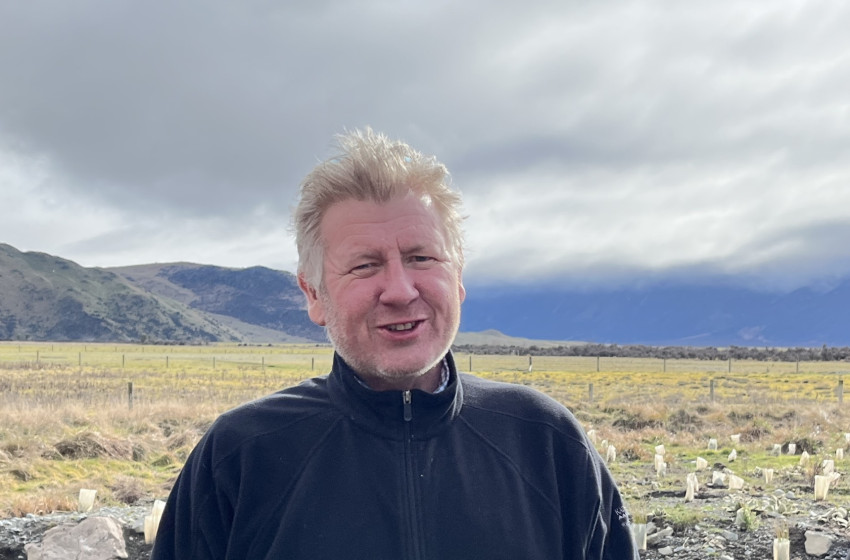
North Canterbury Fish & Game project manager Steve Terry, (pictured) who has led the restoration effort from the outset, says protecting spawning habitat is one of the few levers available to help the fishery recover.
“Salmon numbers are at historic lows, not just in Canterbury but across New Zealand’s East Coast rivers, with unfavourable, warmer ocean conditions among the key drivers of decline.
“We can’t control the ocean, and we can’t control the climate - but we can make sure that when salmon do return to the Rakaia to spawn, their offspring have the best possible habitat waiting for them.
“Glenariffe Stream is one of the river’s most significant spawning tributaries, and for 70 years it simply wasn’t functioning as it should. Getting it back to its natural course is a major step forward for the fishery.”
The three-year project was made possible by $784,000 from the Ministry for the Environment’s Freshwater Improvement Fund.
Key were partnerships with four high-country stations – Glenariffe, Double Hill, Mt Algidus, and Redcliffes. Environment Canterbury, the Cawthron Institute, Manawa Energy, Rakaia River Fishing Promotions, and the QEII Trust also supported the project.
Fish & Game New Zealand Chief Operating Officer Richie Cosgrove says the decline in salmon numbers makes projects like this more important than ever.
“Projects like this, protecting and restoring critical spawning habitats, gives the salmon fishery help it really needs. The scale of what’s been achieved here, 380 hectares secured against an original target of 60, is a testament to Steve Terry’s persistence and the willingness of high-country landowners to be partners in conservation.”
Beyond Glenariffe, the project has secured significant habitat protection across the catchment:
- Double Hill Station: 77 hectares of wetlands and waterways retired, with 11.3km of new fencing
- Mt Algidus Station: A 200+ hectare QEII covenant protecting the Hydra Waters, a complex of spring-fed streams and wetlands accounting for 20–30% of Rakaia salmon spawning
- Redcliffes Station: 59+ hectares of wetlands and native scrub retired from farming
The McIntyre Wetland will now be managed for long-term restoration, with ongoing planting, riparian management, and ecological monitoring planned in the years ahead.
Disclaimer:
The information presented in these news items is based on the context and regulations in place at the time of publication. Please note that some articles may include reference to laws and regulatory standards that have since changed. For the most current and accurate information please check our Fishing Licences & Regulations pages or our Hunting Licences & Regulations pages.