Reel Life December 2025 - Hawke's Bay
- Hawkes Bay
- 12/12/2025
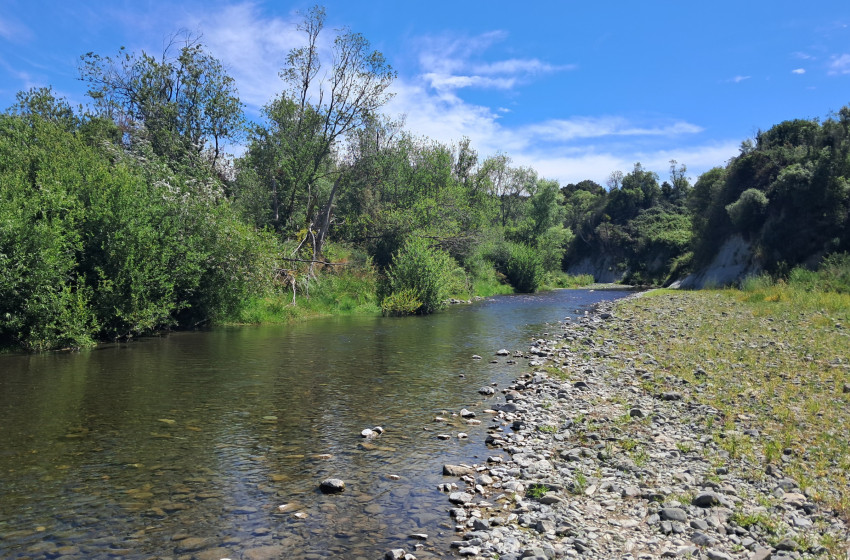
It’s been great to see lots of anglers out and about, although the long run of very hot, 30 degrees plus days have made fishing challenging at times with many anglers noticing a drop off in activity in the hotter parts of the day. Many of the smaller more coastal rivers and streams have remained relatively low and clear, whilst those that rise in the west have seen some significant rainfall events that have made them full and dirty for quite long periods, we expect these larger rivers to really start firing over the next month or so.
All the rivers that rise in the west received 40 -60 mm of rain around the 20 November and the first week of December, so the Ngaruroro, Mohaka and its tributaries the Ripia and Waipunga were all reasonably full and dirty, but not to the point that you describe it as a flood, they should be in great condition by the weekend of the 13/14. The Tukituki and Waipawa Rivers have continued to fish very well, although they all been getting lots of angling pressure from both local and visiting anglers. We remind all anglers to ensure they check, clean and dry between rivers, this is particularly important for anyone travelling in from the Waikato or the South Island, with their respective gold clam and didymo risks.
As we said earlier many anglers have noticed a drop off in trout activity particularly in the Tukituki and Waipawa catchments in the hottest part of the day due to the very hot temperatures recently; so a fresh is normally a good thing, in that it helps clear the weed, dislodge a bit more feed and increase the volume, we should remember that the fishing will be generally be better in river that has had a fresh. Many anglers find they have more success in a clearing river rather than a low crystal clear one, where the cloudy water makes it harder for the fish to see them and they are more actively feeding.
The fish are looking to be in great condition, no doubt due to the absence on long periods of flooded rivers through the latter part of winter and spring allowing good recovery from spawning, although they are getting spooky in the some of the smaller streams that have been very clear.
Image above: Clear conditions in a HB stream this week.
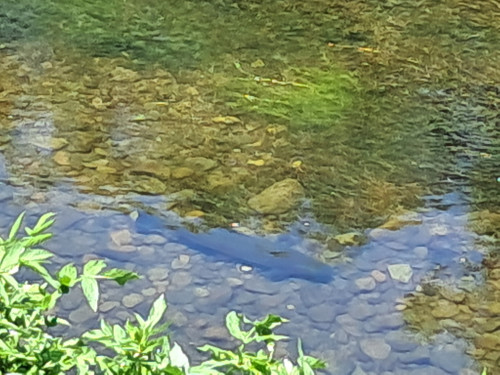
A Nice fat rainbow in a Hawkes Bay Stream.
Hot Temperatures and Trout activity.
With the very high temperatures we have been experiencing, many anglers have been noticing a drop off in feeding activity in the hotter parts of the day, this will largely be due to water temperature. The other key thing to remember is that as water temperatures rise over 19 degrees, a released trout’s chances of survival is reduced, making how we handle a fish increasingly important. Get it released as quickly as possible and avoid taking it out of the water is the best advice we can offer and possibly consider not fishing in the hottest parts of the day particularly if you are fishing a river with minimal shade.
Optimal Temperature Range
Trout are most comfortable and active in water temperatures around 14°C, with a comfort range between 10°C and 18°C. Within this range, trout metabolism operates efficiently, enabling natural behaviors such as feeding, swimming, and spawning preparation.
Effects of High Temperatures
Temperatures above the optimal range can cause stress. Trout may seek cooler, deeper waters to avoid overheating, reducing feding activity and overall energy levels.
Daily Activity Patterns
Trout feeding activity is influenced not only by overall water temperature but also by fluctuations throughout the day. Trout tend to feed more actively in the early morning and late evening, when water temperatures are cooler and closer to their comfort range. During warmer daytime conditions, their activity decreases as they conserve energy and avoid thermal stress
Sport Fly Fishing NZ are holding a Fishing Competition the weekend of 13/14 December
Anglers are advised that Sport Flyfishing NZ are holding a trout fishing competition on the Mohaka this weekend; 13/ 14 December in McVicar Road and Glenfalls area; accessible off SH5.
The competition will not preclude other anglers from fishing, but do expect the Mohaka to be extra busy in this area, so fishing somewhere else might be an option to consider.
Choice of Flies
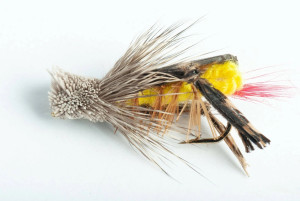
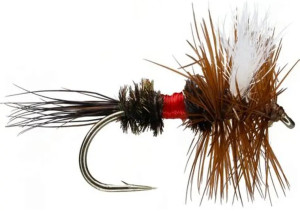
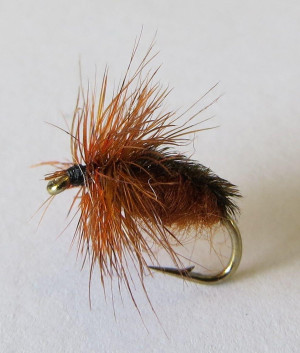
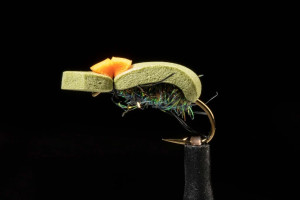
We should be seeing more terrestrials on the rivers now with lots of green beetles showing up areas where there is manuka, with blowflies, spiders, grasshoppers, and other large terrestrials become more prevalent. A specific terrestrial imitation or attractor pattern like the Royal Wulff or GT is often a good option, either fished on its own or in combination with a nymph. A green beetle imitation fished either as dry fly or a wet fly is often a good starting point particularly in bush areas.
It's surprising how far a fish will come to look at a large dry fly, with takes in fast water often being spectacular, it is however a good time to remind ourselves that a trout will often swallow a large terrestrial quickly, so a fast strike will lessen the number of trout hooked in the gills or throat and make releasing a viable option.
For nymph fishing in fast, deep and particularly broken water, more weight and a faster sink rate is generally better, whilst on low, clear gentle water a smaller lighter weighted nymph with correspondingly slower sink rate is better. A bead headed traditional nymph may come with either tungsten bead or a brass bead but generally the bead will be proportionately smaller than a Czech style nymph and have a bulkier body, so sink rate will be slower and dependent on bead composition, nymphs without a bead will generally be slowest to sink.
|
|
|
|
Some examples of terrestrials Imitations.
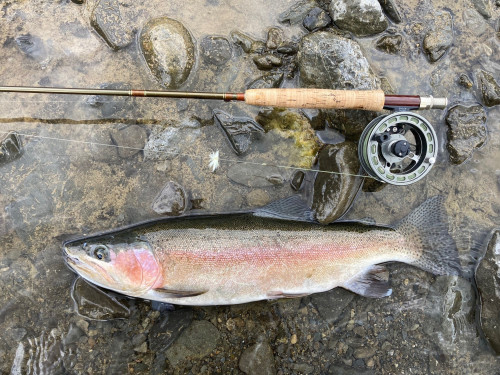
A nice mature Hawkes Bay rainbow
Low bag Limits and releasing trout.
With relatively low bag limits, and regulations that state an angler must cease fishing once the daily bag limit has been reached, Hawkes Bay anglers may find that they want to selectively harvest, meaning they need to release trout, so they can continue fishing.
All anglers need to be aware that how they handle the fish is critical to its survival after being released.
Here are our ‘Quick 5’ tips for handling fish with care:
- Always wet your hands before handling a fish and if possible, use a knotless landing net.
- Keep the fish in the water while removing the hook – a specialized hook remover or forceps readily available on your vest, will definitely help.
- Do not squeeze the fish and never touch the gills.
- If you feel you must photograph your fish, do it in or over the water and make it quick - the fish should never be out of the water for more than 5 seconds.
- Revive the fish by facing into the current long enough for it to regain its swimming strength.
In the unfortunate instance that a fish you intended to release does end up bleeding from the gills or cannot maintain itself upright, so long as you can legally take that fish, we recommend you should keep it as part of your bag limit and utilize it.
The last two winters have been really kind to the trout and its looking like there has a steady increase in trout numbers across the bay post Cyclone Gabrielle, so we look set for another great summer for The Bays trout anglers, so Grab your licence if you haven't got one already, read the regulations and make the most of the good conditions.
Disclaimer:
The information presented in these news items is based on the context and regulations in place at the time of publication. Please note that some articles may include reference to laws and regulatory standards that have since changed. For the most current and accurate information please check our Fishing Licences & Regulations pages or our Hunting Licences & Regulations pages.