Reel Life February 2026 - West Coast
- West Coast
- 20/02/2026
Summer Fishing in Full Swing
Summer is hitting its stride across the West Coast, and trout anglers are finding plenty to keep them busy. Rivers and lakes are in excellent condition, thanks to regular rainfall over the summer months, which has maintained healthy flows and ideal trout habitats. Anglers are reporting strong activity, with both spin and fly fishing producing excellent results.
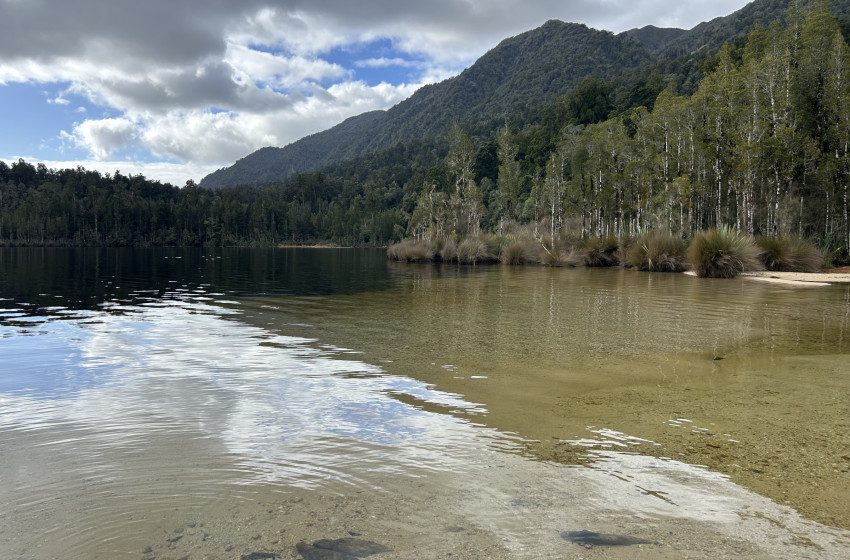
Image above: Lake Kaniere – stunning scenery with the opportunity to catch a variety of sports fish.
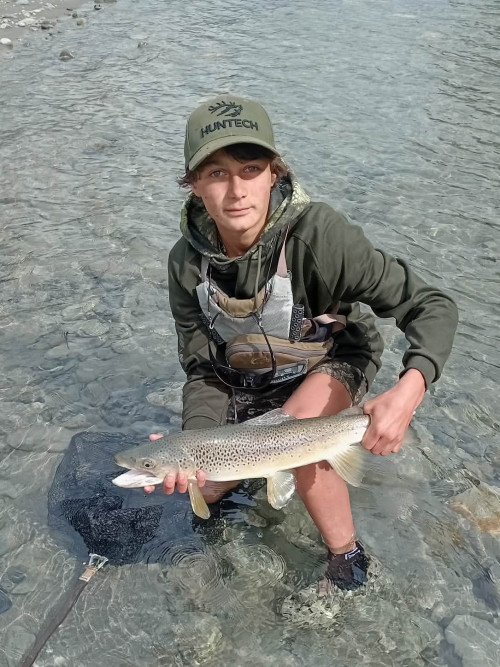
Layton Hannah making most of the great fishing on offer.
Cicadas Take Centre Stage
This is the time of year when the forest comes alive with the unmistakable sound of cicadas. Walking through the bush, it’s almost impossible to ignore the constant buzzing. For trout anglers, however, it’s a very welcome soundtrack. Cicadas are a major food source, and when they’re abundant, trout become highly active and can often be seen feeding near the surface.
Reports this season are already positive, with terrestrial fishing shaping up much better than in previous years. The strong cicada hatch is largely due to warm, wet conditions over summer. Cicadas spend most of their lives underground as nymphs, feeding on plant roots, and only surface when soil temperatures rise and moisture is sufficient. This year, the combination of heat and rainfall has produced a large, healthy cicada hatch, creating a veritable feast for trout across rivers and lakes.
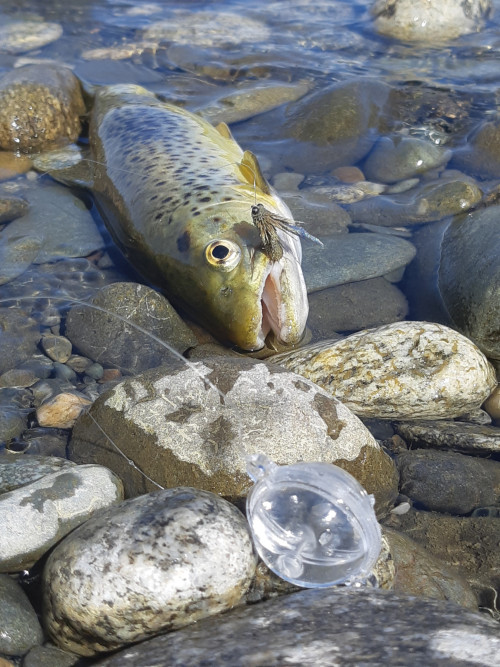
Trout eagerly taking cicada patterns fished on a bubble float.
Fishing the Cicada Hatch
For anglers looking to take advantage of this surface activity, one highly effective technique is fishing cicada patterns on a float. Using a water-filled bubble float with a couple of feet of 6lb line tied to a large cicada pattern works exceptionally well. Trout take the fly eagerly, and this method can be particularly effective in tricky currents and eddies, where fly line drag can make traditional presentations difficult.
Whether sight fishing the cicada itself or watching the float, patience is key — wait a second or two after a trout takes the fly before striking. Perfecting the timing comes with practice, but the rewards are worth the effort. Both spin and fly anglers can enjoy this surface action, and the cicada season is also an excellent time to explore large rivers during low flows. Even rivers with low trout densities can offer surprising results when big dry flies are presented effectively, as trout feed so actively on cicadas.
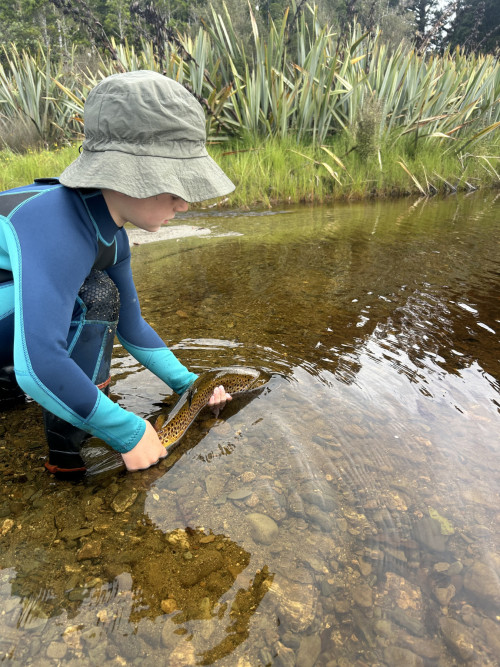
Be sure to follow catch-and-release best practices, particularly during warmer weather.
Community Reports and Field Work
We love seeing photos and reports from local anglers. Your contributions help track seasonal trends and provide a snapshot of conditions for others heading out on the water. We especially want to hear of any salmon catches. Staff are also continuing with trout monitoring work, with trout dive surveys confirming healthy trout numbers and abundant insect life in many of our river.
Anglers are reminded to follow catch-and-release best practice, with trout most vulnerable over the summer period. Handle fish gently and limit their time out of the water. Wet your hands before touching the fish, and use pliers to remove hooks quickly and effectively, ideally keeping the fish in the water while doing so. Support the fish upright in the water until it swims away under its own power. Minimising stress, particularly in warmer conditions, helps ensure trout survive and thrive for future anglers.
Disclaimer:
The information presented in these news items is based on the context and regulations in place at the time of publication. Please note that some articles may include reference to laws and regulatory standards that have since changed. For the most current and accurate information please check our Fishing Licences & Regulations pages or our Hunting Licences & Regulations pages.