Reel Life January 2026 - Hawke's Bay
- Hawkes Bay
- 20/01/2026
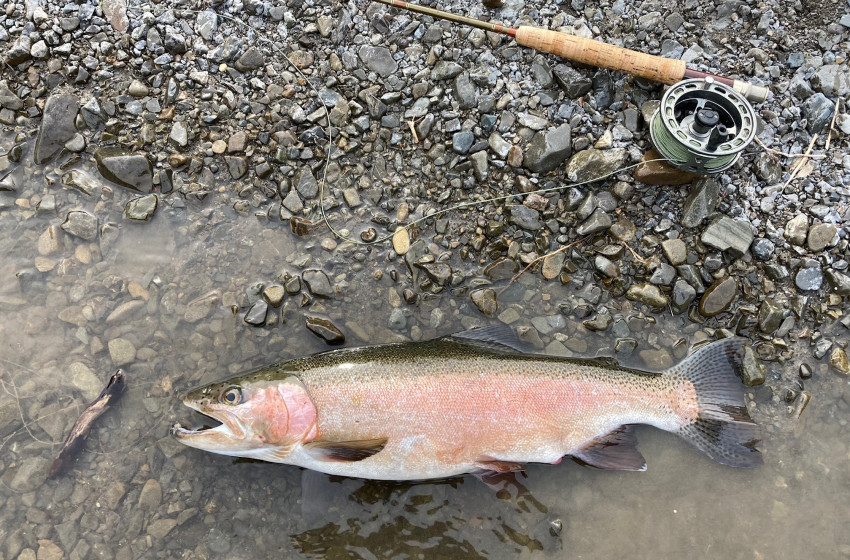
It’s been great to see lots of anglers out fishing over the holiday season, with a noticeable increase in both, the number of visitors to the region from within New Zealand and internationally and also the number of juniors. There were several periods of rain that raised river levels and, in some cases, dirtied rivers and streams. Many of the smaller more coastal rivers and streams particularly those in Central Hawkes Bay remained relatively low and clear, whilst those that rise in the west had more significant rainfall making fishing difficult but not impossible for short periods. The weather has created more challenges with strong winds and extreme temperatures, with some anglers recording river side temperatures around 40 degrees. Contrary to what you might normally expect, many anglers noticed a pickup in activity on colder southerly days, particularly on the larger CHB rivers; this was after a southerly front, with a bit of rain had come through. After a period of such high air temperatures, where we had seen water temperatures rise into the low twenties particular around the middle of the day which significantly reduced trout activity, so like us, the trout were no doubt relishing the cooler temperatures the southerly change brought.
As we “go to press” we have just had a reasonable amount of rain over the weekend of 17/18 January, with some more heavy falls forecast for the later in the week, here’s hoping the rain will be nothing too wild or extreme. Whilst we may see some dirty rivers, which will hopefully only be a short-term inconvenience, ideally the rivers will get a good flush out, clearing some of the weed and hopefully setting up some of the smaller streams, that have become desperately low, better for the rest of the season. With higher and coloured rivers, a change in technique to spinners, soft baits and brighter, flashier flies will be good option until they drop and clear again.
Sport Flyfish NZ held a competition on the Mohaka River around state highway 2 on the weekend of the 13/ 14 December and as expected the river was in great condition, having had a reasonable fresh around a week earlier. The river was still reasonably high for that time of the year, but clear and crossable at many points off McVicor Road and Waitara road, with 22 competitors and other anglers on the river, most anglers were catching some nice fish. The competition anglers had a great couple of days with many catching over 10 fish per 2-hour session, and several local anglers featuring in the top 5.
It was great to see the increase in average size particularly in the Waitara and Glenfalls area below SH2 with a good number of 2- and 3-year-old trout in the 30 -45 cm range getting caught, with a few in the 60cm range landed too. This area was quite badly affected by Cyclone Gabrielle in February 2023 with a noticeable reduction in both trout numbers and size in the couple of years following, so it’s great to see the progeny of those that survived the cyclone and spawned, coming through now. Most trout will spawn for the first time as 3-year-olds, so once these replacement fish get the chance to spawn the long-term health as a fishery should be more assured. Most of these fish are in great condition and are explosive little power houses and in a big powerful river like the Mohaka they often win if the angler isn’t 100% on his or her game.
The Tukituki and Waipawa Rivers have continued to fish very well, although they have all been getting lots of angling pressure from both local and visiting anglers. With the likes of the Tukipo and Manganuku being very low, clear and badly affected by the growth of large beds of “cowcress”, many anglers have been avoiding these streams; after the intense interest in them early season. Some anglers are still testing their skills in the low clear conditions, but hooking a fish is only the start of a successful outcome, with the potential of a fish diving into a weed bed or into the snags being a real possibility; a really good fresh should help these clear the weed from these fisheries and give CHB anglers greater choice.
The Hawkes Bay Fish and Game team aided by some local farmers successfully relocated quite a few mature trout that had become trapped by dropping water levels in a section of the Manganuku prior to Christmas, we really appreciated their proactive approach and remind anglers that if you see a problem developing to please get in touch.
Whilst we are talking about reminders; we remind all anglers to ensure they check, clean, sterilize and dry between rivers, this is particularly important for anyone travelling in from the Waikato or the South Island, with their respective gold clam and didymo risks. We have some great rivers, offering wonderful fishing in the north island, but the last thing anyone wants is someone introducing a pest species or organism. If you need any more information please check 'Check Clean Dry': help protect New Zealand's waterways | NZ Government
As we said earlier many anglers have noticed a drop off in trout activity particularly in the Tukituki and Waipawa catchments in the hottest part of the day due to the very hot temperatures recently; just remember once the temperatures get to 19 degrees or more, we should be considering stopping fishing until the water temperature hopefully drops in the evening. An increase in river levels normally drops the temperature, so a fresh is a good thing, in that it helps clear the weed, dislodge a bit more feed, increase the volume, and generally revitalise the river, particularly if it has been low for some time. Many anglers find they have more success in a clearing river rather than a low, crystal clear one, where the cloudy water makes it harder for the fish to see them, they are more actively feeding and less easily spooked.
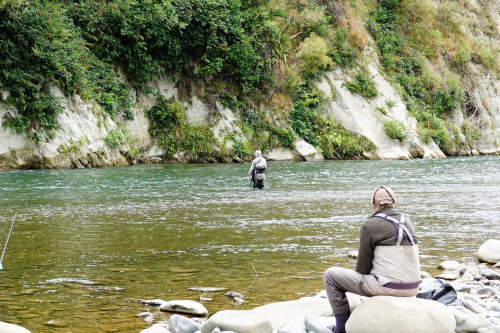
Nice conditions on the Mohaka. photo John Lumsden
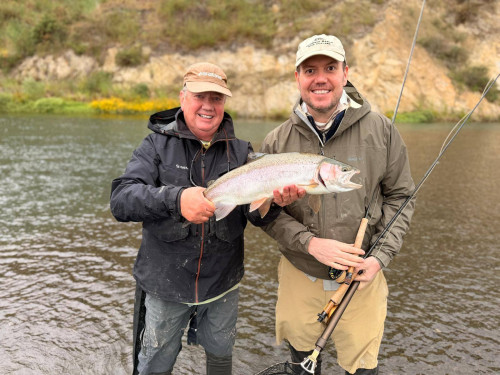
A lovely rainbow From the Tukituki – photo – Dave Hern
Hot Temperatures and Trout activity.
With the very high temperatures we have been experiencing, many anglers have noticed a drop off in feeding activity in the hotter parts of the day, this will largely be due to water temperature. The other key thing to remember is that as water temperatures rise over 19 degrees, a released trout’s chances of survival is reduced, making how we handle a fish increasingly important. Get it released as quickly as possible and avoid taking it out of the water is the best advice we can offer and possibly consider not fishing in the hottest parts of the day particularly if you are fishing a river with minimal shade.
Daily Activity Patterns
Trout feeding activity is influenced not only by overall water temperature, but also by fluctuations throughout the day. Trout tend to feed more actively in the early morning and late evening, when water temperatures are cooler and closer to their comfort range. During warmer daytime conditions, their activity decreases as they conserve energy and avoid thermal stress.
Sport Fly Fishing NZ are holding a Fishing Competition the 24 January.
Anglers are advised that Sport Flyfishing NZ are holding a trout fishing competition on the twin Lakes at Kurapango on the 24 January.
The competition will not preclude other anglers from fishing but do expect the Twin lakes to be extra busy that day, so fishing somewhere else might be an option to consider.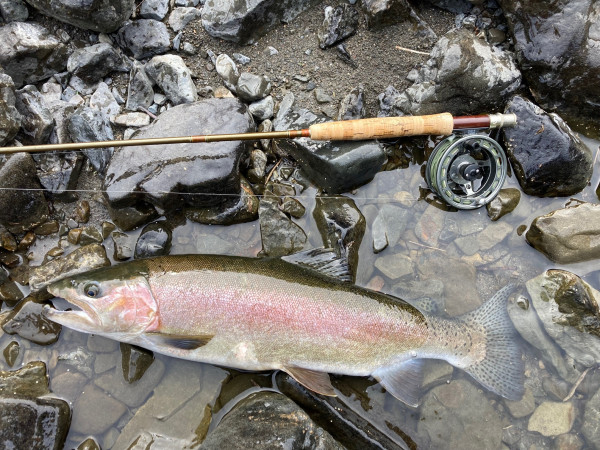
A nice mature Hawkes Bay rainbow photo John Lumsden
Low bag Limits and releasing trout.
With relatively low bag limits, and regulations that state an angler must cease fishing once the daily bag limit has been reached, Hawkes Bay anglers may find that they want to selectively harvest, meaning they need to release trout, so they can continue fishing.
All anglers need to be aware that how they handle the fish is critical to its survival after being released.
Here are our ‘Quick 5’ tips for handling fish with care:
- Always wet your hands before handling a fish and if possible, use a knotless landing net.
- Keep the fish in the water while removing the hook – a specialized hook remover or forceps readily available on your vest, will definitely help.
- Do not squeeze the fish and never touch the gills.
- If you feel you must photograph your fish, do it in or over the water and make it quick - the fish should never be out of the water for more than 5 seconds.
- Revive the fish by facing into the current long enough for it to regain its swimming strength.
In the unfortunate instance that a fish you intended to release does end up bleeding from the gills or cannot maintain itself upright, so long as you can legally take that fish, we recommend you should keep it as part of your bag limit and utilize it.
If you want to harvest a trout for dinner we recommend you take a nice fat younger fish rather than a big mature spawner, as we still need them to help replenish our fisheries and let’s face it, a big mature trout is too valued to be only caught once.
Making the most of the rest of the season.
The mature trout that have spawned over the winter and younger fish should now be in peak condition after the great weather we have had since the start of the season on 1 October. The last two winters have been really kind to the trout and there has been a steady increase in trout numbers across the bay post Cyclone Gabrielle, so we look set for another great summer for The Bays trout anglers. So Grab your licence if you haven't got one already, make sure you carry it with you, read the regulations and make the most of the good conditions. Fishing Licence New Zealand - Fish & Game NZ
Our ranging team have very active this season and will continue to be, we are looking forward to catching up with anglers on the rivers, to hear of their successes, share some advice and ideally be complimenting them for being 100% compliant.
Disclaimer:
The information presented in these news items is based on the context and regulations in place at the time of publication. Please note that some articles may include reference to laws and regulatory standards that have since changed. For the most current and accurate information please check our Fishing Licences & Regulations pages or our Hunting Licences & Regulations pages.