Reel Life March 2026 - Taranaki
- Taranaki
- 20/03/2026
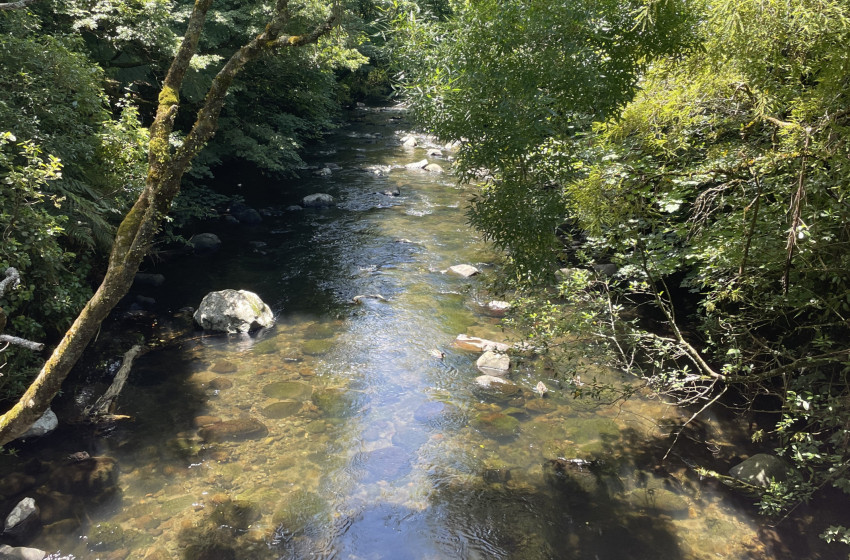
As we move through March, rivers are now sitting close to their mean annual low-flow levels and are within water temperature ranges productive for fishing. Through much of the summer, intermittent freshes have moved through the region and have played an important role in moderating water temperatures, these pulses of cooler water have helped prevent many rivers from reaching the prolonged high temperatures that can place stress on trout during the peak of summer. Now, as we move into autumn, naturally cooler air temperatures and shorter days are continuing to bring water temperatures down, while the frequency of freshes has decreased.
The current combination of cooler seasonal temperatures, relatively stable flows, and the lack of significant freshes through autumn so far has left many rivers running clear and settled around their mean annual low flows. For anglers, these conditions offer great river access and visibility, and trout will be feed hard to stack condition before spawning and winter. Many of the larger regional rivers are telling a similar story. The Manganui River, for example, showed several clear spikes in flow through December and January before settling into a pattern of smaller fluctuations and relatively steady levels through February and into March.
With daylight hours gradually shortening and evening temperatures cooling, fishing opportunities around the change of light have become particularly appealing. A quick session after work, or an evening outing over the weekend can be productive at this time of year.
Central High Country Drift Diving
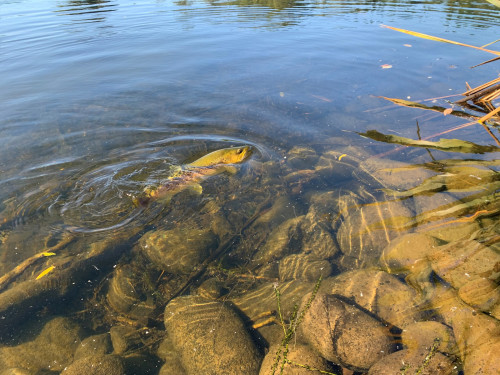
Taranaki Fish and Game staff have recently been assisting the Wellington team with summer drift diving across the central high country. River flows were lower than last year, but water clarity remained great, which made for some excellent drift diving conditions.
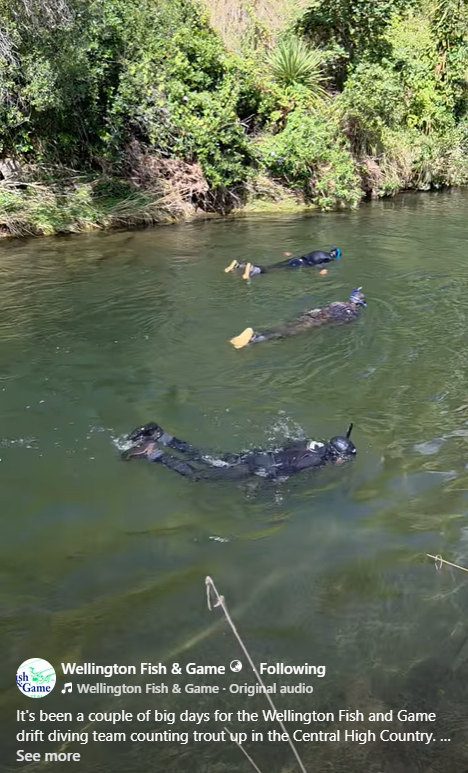
Results were largely consistent with the previous year, with some impressive fish observed and strong densities noted in certain areas. It was also great to encounter several satisfied anglers while out on the water.
These surveys build on a long-term dataset, aiding the tracking of fish population trends over time and inform management decisions.
Rotomanu Clam Update
The Taranaki Regional Council discussed the incursion of Gold Clam into Lake Rotomanu during its 24th of February meeting where it was decided that due to the potential costs of any eradication attempt, there will be no treatment or eradication effort at this time, and that the council will continue to seek funding partners. In the meantime, the council has allocated $250,000 towards boosting regional biosecurity and Check, Clean, Dry programmes.
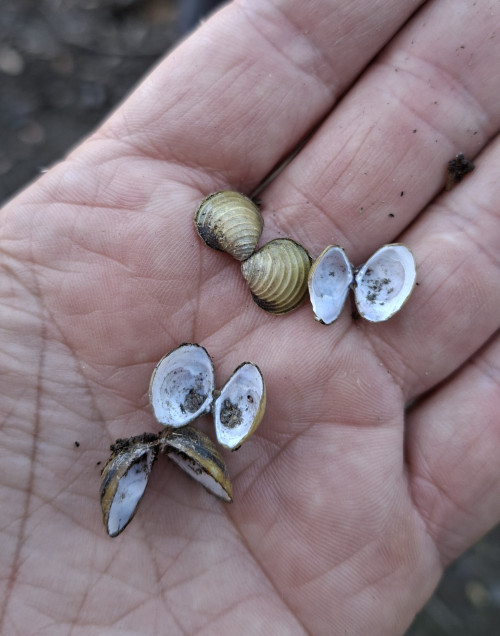
The lake remains closed to motorised watercraft for the foreseeable future, fishing is allowed at the lake (trout and perch are still present) but anglers are reminded of the significant importance of checking, cleaning, and drying any equipment that comes into contact with the water. If you have any doubts about the cleanliness of your gear – a proven additional method to sterilise it is to freeze it for a period of no less than 48 hours. We will keep our anglers updated as we learn more.
Regional access and environmental information
Feel free to check out our interactive access map here to find new fishing spots throughout the Taranaki and Wellington region.
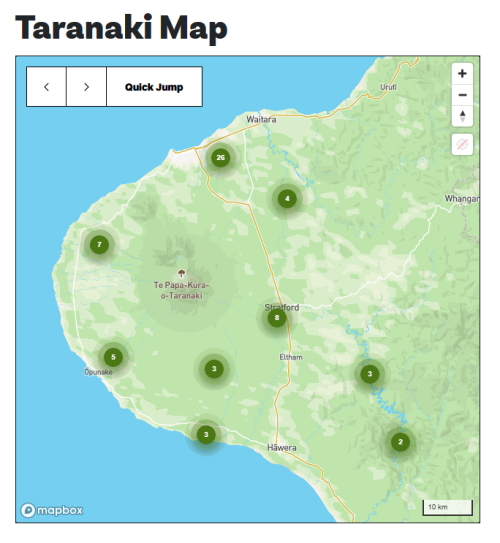
To keep track of regional river levels and other useful environmental data, you can check out the Taranaki Regional Councils website for more here, and for those anglers in the Waimarino, a good starting point is found here.
Disclaimer:
The information presented in these news items is based on the context and regulations in place at the time of publication. Please note that some articles may include reference to laws and regulatory standards that have since changed. For the most current and accurate information please check our Fishing Licences & Regulations pages or our Hunting Licences & Regulations pages.