Reel Life October 2025 - Hawke's Bay
- Hawkes Bay
- 21/10/2025
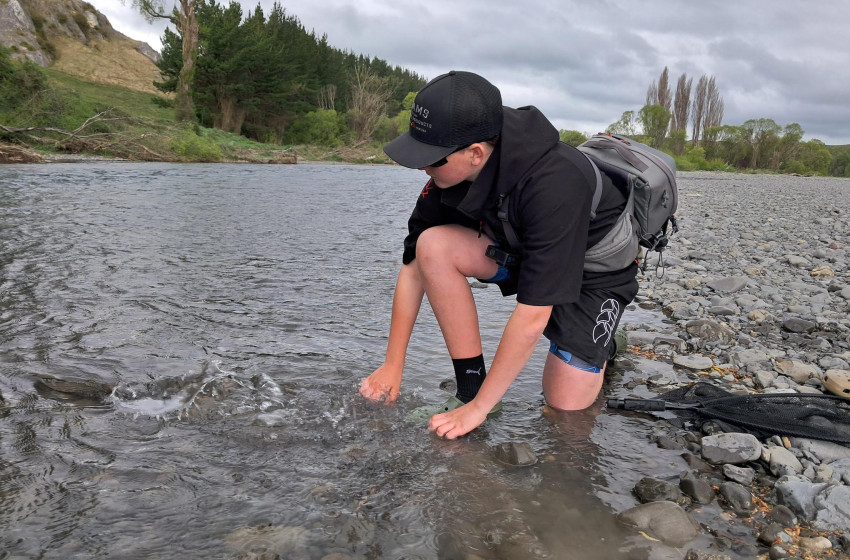
The 2025 Hawkes Bay Trout fishing season started on 1 October, with a nice bright day but unfortunately lots of strong gusty westerly winds, with some rivers very low and clear. There was lots of anglers out and about, with 4 or 5 vehicles at some popular spots. After cyclone Gabrielle creating havoc in 2023 and left rivers dirty for such long periods, it has been great to see most rivers in good condition for fishing and most fish in great condition at the start of our new season.
Most of the smaller rivers were low and clear, making spotting trout easy, the down side to that is, if you can see the trout, then they can probably see you too! Some anglers did note they were finding the clear low conditions were making the fish unusually spooky for so early in the season. The strong gusty westerly winds definitely made casting difficult at times, so it was a case of casting between gusts and carefully extracting wayward flies form clothing at times, we didn’t hear of anyone needed flies removed from their faces but it was undoubtedly a day for a good tight fitting hat and sunglasses for added protection.
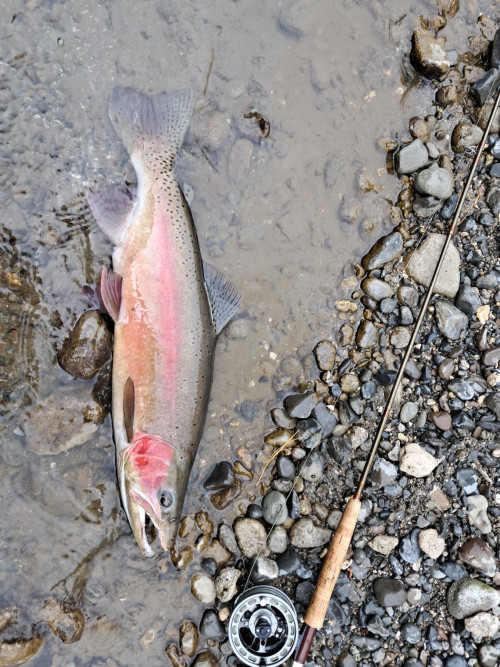
Most anglers our rangers spoke to were catching a trout or two, with some nice browns and rainbows recorded. The relatively settled winter with minimal floods have benefited the fish and fisheries, most fish were in good condition particularly maiden fish, although some appeared to have only recently spawned and we had a couple of reports of active redds. We believe the dry warm conditions in the foothills and flats may have slowed some trout from spawning, so if you see a fresh redd please avoid walking or worse still driving over it.
The generally settled winter weather with the occasional high flow events have helped the rivers recovery with rapidly recovering stream insect populations evident and some good rises noted already.
The Tukituki, Waipawa and particularly their tributaries saw lots of angling activity on opening day and weekend and many good sized rainbows and few nice browns were caught. Some heavy showers on the Friday saw the Waipawa and Tukituki up a bit and discoloured but it quickly cleared and many anglers reported some great fishing on the weekend of the 4/5 October helped by an increase in flow and a bit of discoloration.
The westerly conditions had however brought rain to the upper reaches of our bigger rivers; with the Mohaka and Ngaruroro particularly both being quite full and discoloured, by comparison some smaller central Hawkes Bay streams were incredibly low and clear, with large beds of “cow cress” in places, hopefully the first decent fresh, will clear some of this cress and refresh these smaller rivers.
The main stems of the Ngaruroro and Mohaka systems have been discoloured and up in volume, but many anglers ventured into their various tributaries and had some good fishing, heavy rain in the headwaters on Tuesday 14 October has definitely brought the levels of the Mohaka and Ngaruroro up and are likely to take several days to clear, smaller tributaries are likely to clear sooner.
It’s a timely reminder that some of our bigger rivers, particularly the Ngaruroro and Mohaka may get significant rain in their headwaters from “westerly conditions” when we see no rain down here on the coast; checking the Regional Council river flows and keeping an eye on the Turangi forecast as well as the Hawkes Bay forecast may avoid the frustration and lessen the risk of getting caught out by a rapidly rising river.
Many backcountry rivers won’t have seen many anglers yet, so I’m sure as they clear many anglers will be heading to the high country, close to home waters fished well and those who ventured into the smaller feeder tributaries which opened on October 1 had good angling to trout that have been well rested over winter.
With relatively low bag limits, and regulations that state an angler must cease fishing once the daily bag limit has been reached, anglers may find that they want to selectively harvest, meaning they need to release trout, so they can continue fishing.
All anglers need to be aware that how they handle the fish is critical to its survival after being released.
Here are our ‘Quick 5’ tips for handling fish with care:
- Always wet your hands before handling a fish and if possible, use a knotless landing net.
- Keep the fish in the water while removing the hook – a specialized hook remover or forceps readily available on your vest, will definitely help.
- Do not squeeze the fish and never touch the gills.
- If you feel you must photograph your fish, do it in or over the water and make it quick - the fish should never be out of the water for more than 5 seconds.
- Revive the fish by facing into the current long enough for it to regain its swimming strength.
In the unfortunate instance that a fish you intended to release does end up bleeding from the gills or cannot maintain itself upright, so long as you can legally take that fish, we recommend you should keep it as part of your bag limit and utilize it.
In the lower parts of our rivers a smelt fly, soft baits or a spinner is likely to bring success on trout chasing whitebait. A nymph with a bit of flash is popular early season with many angler fishing two nymphs in tandem or a dry and nymph combination. As the weather warms up, we should see more evening rises, so nymphs earlier in the day, often with an indicator dry fly, then switching to emergers and dry fly in the evening is an approach many experienced anglers will take.
The last two winters have been really kind to the trout and its looking like there has a steady increase in trout numbers across the bay post Cyclone Gabrielle, so we look set for another great summer for the Bays trout anglers, so Grab your licence if you haven't got one already, read the regulations and make the most of the good conditions.
Illegal Fishing
If you see evidence of illegal fishing, please contact the Fish and Game team as soon as possible, if you can safely take photos and record vehicle registration numbers that will be greatly appreciated – but only if it is safe.
Illegal overfishing will quickly destroy a fishery, so we all need to work together to protect our fragile fisheries; this is more important now than ever before, after the damage Cyclone Gabrielle did to some of our rivers.
Don’t forget to take your New Season fishing Licence with you.
The favourable weather looks set to continue for our region for a while, so read the regulations and remember to carry your licence with you, and save yourself some time and hassle, because this season there is a better chance than ever, that you will get to meet the ranging team out on the river.
Upcoming events
Register links
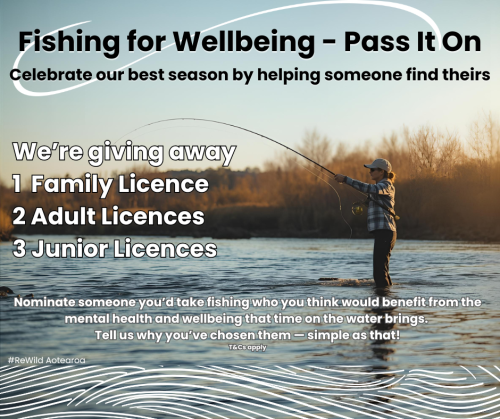
Fishing for wellbeing https://forms.office.com/r/Kfky1rQRDP
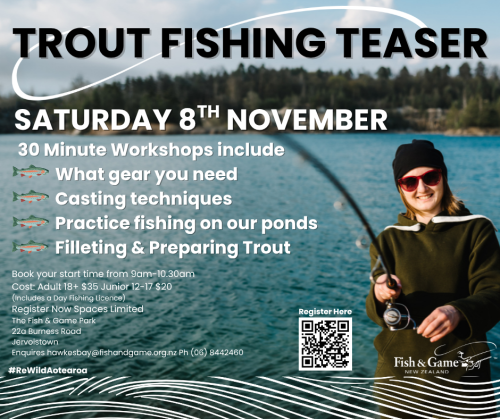
Trout teaser https://forms.office.com/r/8VHq1JdiuQ
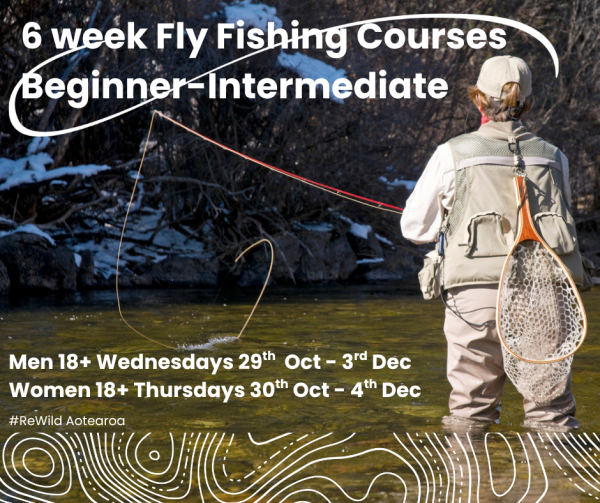
Womens fishing course https://forms.office.com/r/eCwkSVFgwW (mens is full)
Angler diary https://forms.office.com/r/Knb4CZ2Xtn
Disclaimer:
The information presented in these news items is based on the context and regulations in place at the time of publication. Please note that some articles may include reference to laws and regulatory standards that have since changed. For the most current and accurate information please check our Fishing Licences & Regulations pages or our Hunting Licences & Regulations pages.