Reel Life September 2025 - North Canterbury
- North Canterbury
- 16/09/2025
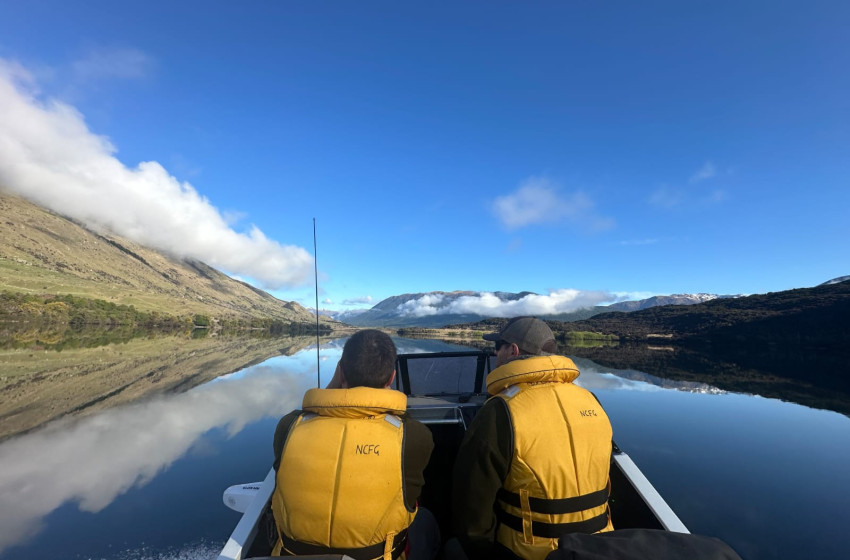
It’s not long now until the new 2025/2026 fishing season begins! With a lot of the rivers and streams not having any angling pressure since April 30th, the fish should be a little less fussy on fly presentation, however you will still need to be stealth on the waters edge and avoid putting your shadow over the water as this can cause spooking the fish.
Early spring weather means it can get windy during the day so be prepared to adapt your techniques and fishing water blind can be effective also as spotting can be difficult from the wind blowing across the surface of the water.
Sea-run Salmon update
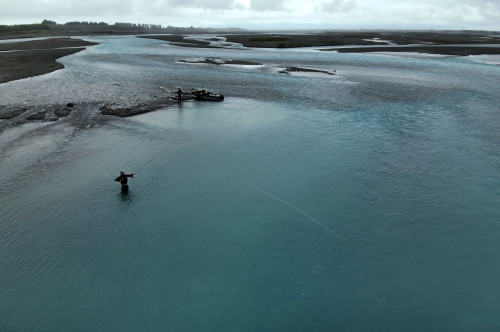
Anglers fishing a classic salmon pool on the Rakaia River
The sea-run salmon season bag limit has changed to 1 fish for the 25/56 season.
Due to the poor sea-run salmon returns, the 2025/2026 season bag limit for sea-run salmon in North Canterbury and Central South Island will be reduced to one fish. This means sea-run salmon anglers can harvest one fish for the entire season.
The decision to move to a one-fish season bag limit from the previous two-fish season bag limit was made through the Adaptive Management Strategy for Setting North Canterbury and Central South Island Sea-Run Salmon Fishing Regulations. Both the North Canterbury Council and the Central South Island Council agreed to continue following the strategy in their respective May 2025 meetings.
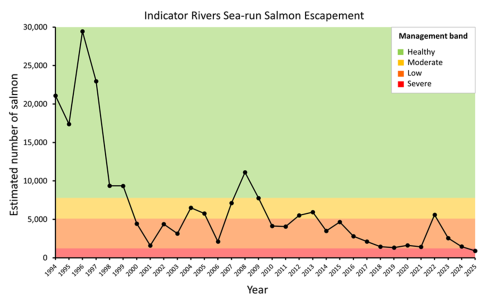
Combined escapement across the three indicator rivers (Rakaia, Rangitata, Waimakariri) used for threshold management in comparison to the management band lower thresholds (healthy, moderate, low, and severe), 1994-2025.
Due to salmon spawning numbers falling into the 'severe' management band threshold, the change to a one-fish season bag limit will be implemented for the 25/26 season.
What does a one-fish season bag limit mean for you as an angler?
Having a one-fish season bag limit means you are only able to harvest (kill) one sea-run salmon for the entire 25/25 season. If you do harvest a sea-run salmon, you must immediately enter the required details on your season bag card. This means that once you have harvested a sea-run salmon, you must cease all salmon fishing for the remainder of the season. As once you harvest a fish, you must cease fishing for the remainder of the season, you will no longer need your card, making it a great time to return it (filled out) to your local Fish & Game, either NC or CSI. Handing your salmon card back, regardless of whether you have caught a fish, helps NC and CSI complete more accurate harvest estimates, which can impact future decision-making around sea-run salmon.
Your chance to help the sea-run salmon populations
Anglers can catch and release sea-run salmon for the entire season or up until they harvest their one sea-run salmon. Practising catch and release is a great option for anglers who want to see more fish with the chance to spawn in the headwaters. Remember when practising catch and release, you must return the fish to the water as quickly as possible with minimal harm. If the fish has sustained an injury and is not likely to survive, do not release it; instead, harvest it and enter its details onto your salmon card and return that card to your region's F&G office.
What injuries are fish unlikely to survive from? When blood is coming from the gills, eyes or larger amounts from the mouth, it indicates that the fish is unlikely to survive if released. If the fish appears to be warped/broken in any unnatural way is also unlikely to survive.
Top tips for catch and release:
- Always use wet hands when handling a fish.
- Use a rubber mesh net to safely land your fish, making sure it stays in the water as much as possible.
- Always keep your fish away from rocks, as they can often burn their skin.
- Use an appropriate pair of forceps or pliers to quickly and efficiently remove the hook from the fish.
- Using barbless hooks or crimping down the barbs can make a huge difference. You could also consider swapping out treble hooks for singles.
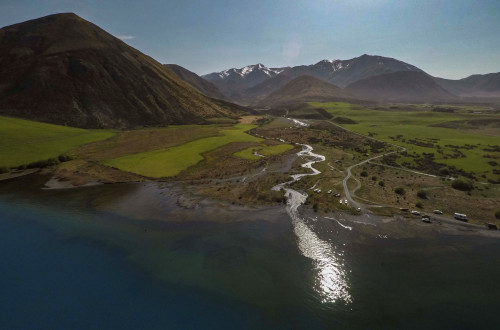
A great view of the Ryton River Mouth
Lake Coleridge Fishing Competition
Mark your calendars for Saturday, November 1st, for the Lake Coleridge Fishing Competition, celebrating the high-country opening. The competition is generously supported by three Hunting & Fishing stores: Ballingers (Tower Junction), Ashburton, and North Canterbury (Rangiora).
Stay tuned to our weekly fishing report for more details and maybe pick up some extra tips that could help you catch the winning fish!
Angling Etiquette
Opening day can be exciting, but it’s important to practice good angling etiquette. Leave a note on your vehicle’s dashboard indicating your fishing intentions to avoid conflicts with other anglers. If you see another angler, approach them to discuss and reach an agreement, ensuring everyone enjoys a great day on the river.
Disclaimer:
The information presented in these news items is based on the context and regulations in place at the time of publication. Please note that some articles may include reference to laws and regulatory standards that have since changed. For the most current and accurate information please check our Fishing Licences & Regulations pages or our Hunting Licences & Regulations pages.