Both Barrels July 2025 - West Coast
- West Coast
- 21/07/2025
Last opportunities on the water
We’ve made it to the tail end of the 2025 duck season, and conditions are shaping up well for a strong finish. The weather has been unsettled lately, a bonus for duck hunters, as wind and passing fronts tend to keep birds moving and more responsive. The forecast heading into closing weekend looks favourable, and birds are beginning to concentrate in their usual haunts, making scouting and location choice more important than ever.
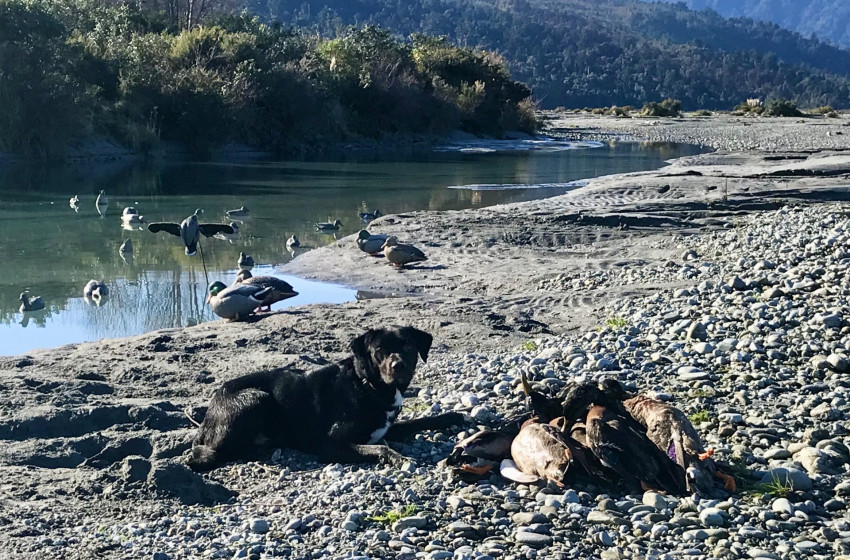
Image above: Andrew Crichton taking drakes during a late-season riverbed hunt.
As is typical late in the season, you’ll notice different behaviour between lone drakes and paired birds. While hens and their partners tend to shy away, solo drakes are often much more willing to respond to decoys and calling. From a management point of view, this is an ideal time to target unpaired males and help balance the population.
Pūkeko numbers are still booming in many areas across the Coast, especially around pasture margins and wetlands. Consider factoring in a pūkeko walk later in the day to top off your hunt. Likewise, swans remain plentiful on many of our larger waterbodies, and access can often be arranged through supportive landowners.
Game bird hunting doesn’t end here
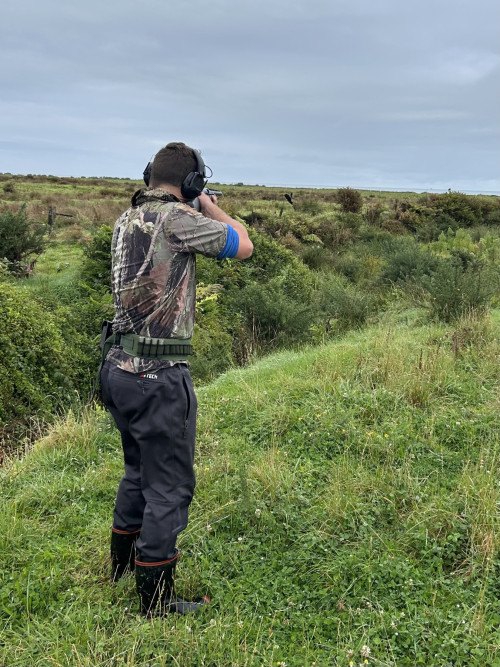
Cody Fairhall on a summer pukeko hunt.
While the main waterfowl season wraps up on Sunday 27th July, hunters on the West Coast still have opportunities ahead, especially with the summer hunting season in early 2026.
Here’s what you can look forward to:
- Pukeko: 1st January – 22nd March 2026
- Paradise Shelduck: 28th February – 22nd March 2026 (Must be 200m or more from open water)
- Black Swan: 28th February – 22nd March 2026
These summer seasons give hunters a chance to help manage high bird numbers while enjoying some good shooting during warmer, longer days. They're also a great opportunity to bring someone new into the sport—whether a mate, a kid, or a partner curious to give it a go.
And if you want to keep your shooting sharp during the off-season, head along to your local clay target club. It’s a fun way to stay connected with other hunters and get some coaching.
Now’s the time for predator control
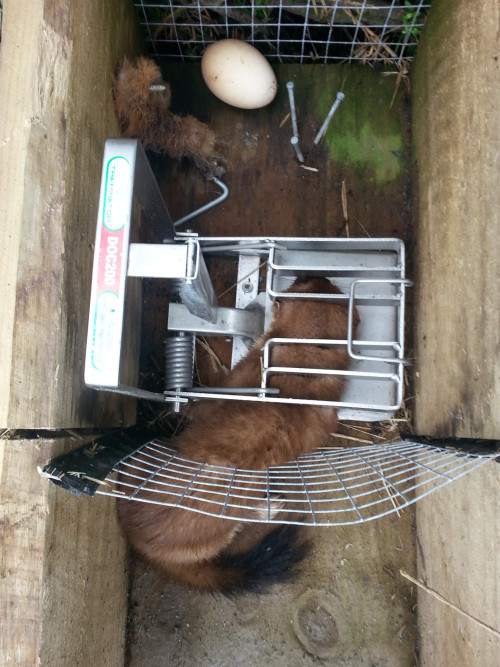
Stoat caught on a trapline near a nesting wetland.
Once the guns go quiet after closing weekend, the next critical phase begins: protecting nesting birds and their young from predators and environmental pressures.
Eggs and ducklings are especially vulnerable to stoats, rats, feral cats, and even harrier hawks. While Fish & Game doesn’t carry out predator control on the Coast, other organisations do—and hunters and landowners can also play a valuable role.
Setting traps around wetland margins, drains, and nesting areas can have a real impact. Tunnel traps and DOC 200s are effective and approved. Checking them regularly throughout late winter and spring can make a big difference during peak nesting time. Even small-scale predator control near known breeding sites or farm ponds can help boost local survival rates.
Planting cover around your pond is another great way to support duckling survival. Native grasses, sedges, flax, and low shrubs provide shelter from predators and the weather. Even modest planting around the margins can improve brood survival by offering protection and resting spots for hens and ducklings.
Every trap set and every patch of cover planted gives our game birds a better chance to thrive next season.
Key Dates for West Coast Hunters
|
Event |
Date |
Location |
|
Closing Weekend |
26th & 27th July 2025 |
West Coast |
|
Opening of Summer Pukeko Season |
1st January 2026 |
West Coast |
|
Opening of Summer Paradise Shelduck & Swan Season |
28th February 2026 |
200m+ from open water (Paradise Shelduck) |
|
Closing of Summer Seasons |
22nd March 2026 |
West Coast |
Hope to see you out there.
Baylee Kersten
Senior Fish & Game Officer – West Coast Region
Disclaimer:
The information presented in these news items is based on the context and regulations in place at the time of publication. Please note that some articles may include reference to laws and regulatory standards that have since changed. For the most current and accurate information please check our Fishing Licences & Regulations pages or our Hunting Licences & Regulations pages.