North Canterbury - Bi-Weekly Hunting Report 17 July 2025
- North Canterbury
- 17/07/2025
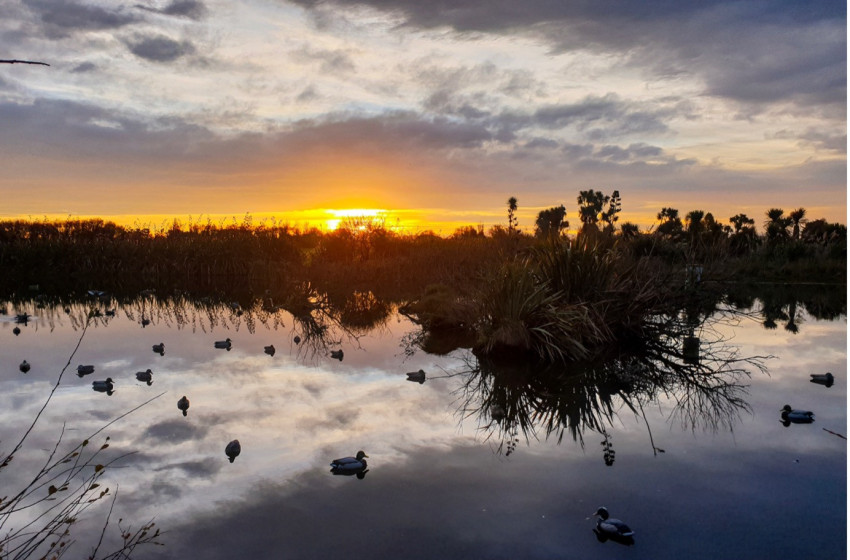
Introducing a new hunter to the world of game bird hunting
As many of you know, a lot of the action in the game bird season happens around Opening Weekend. It’s loud, exciting, and full of tradition.
Bringing a new hunter along to experience that buzz is a great way to introduce them to the community and the thrill of the sport. But if that’s their only exposure, it can also be a bit overwhelming.
That’s why late season hunts offer such a great opportunity for new hunters, whether they’re young or just starting out a little later in life. The quieter pace, smaller crowds, and more controlled setups create an ideal environment for learning.
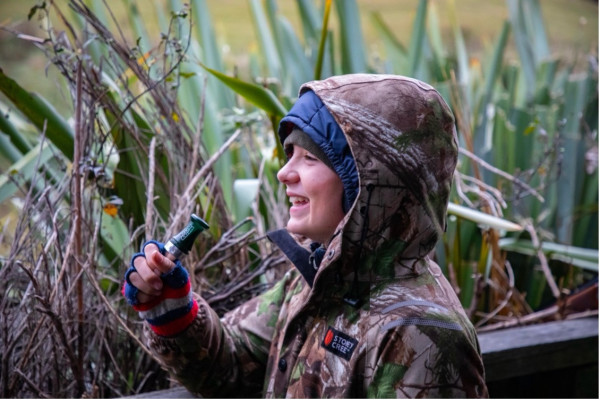
Late season birds can be a little trickier. They’ve been hunted for weeks and are more cautious around decoys and calls. But that challenge can actually be a huge advantage when it comes to teaching.
Without birds constantly coming in fast, new hunters have more time to learn the basics: reading bird behaviour, understanding wind and concealment, practicing calling, and safely handling their shotgun under pressure.
It also gives mentors the chance to talk through setups and tactics in the field, something that can be hard to do during a chaotic Opening Morning. When you’re not racing to reload or calling every second, there’s more time to explain the reasons behind each move, whether it’s adjusting decoys, shifting positions, or staying still when birds are circling.
For first-timers, these hunts can be confidence-building. A single well-earned shot on a late season duck often means more than a full strap on Opening Morning because they’ve worked for it, learned from it, and been part of the process from start to finish.
So if you’ve been thinking about mentoring someone new, a friend, workmate, or one of the younger generation, don’t wait until next season. Get them out before the close, even just for a short evening sit or a walk-up on a farm pond. It could be the hunt that hooks them for life.
Disposing of Your Birds Correctly
After a long day in the maimai, we know your body is running on fumes. An early start, hours of focus, and often tough weather conditions can take it out of you. But it’s important to remember that your hunting day isn’t over the moment you shoulder your shotgun and leave the pond. A successful and ethical hunt continues until your firearm is locked safely away, your game is properly processed, and all waste is responsibly disposed of.
Respect the Game, Respect the Environment
If you're fortunate enough to harvest birds during your hunt, it's your responsibility to manage them with care, whether that’s a single bird or a full day’s bag limit. Good planning before you start processing can make the difference between a clean, respectful finish and a situation that reflects poorly on hunters as a whole.
Before you begin, ask yourself:
- Where will I process my harvest?
- Am I using the whole bird or just the breasts?
- If plucking, where will I dispose of feathers and down?
- Where is the waste going when I’m done?
These may seem like small questions, but they have big implications.
Choose the Right Location
Public spaces like riverbeds, carparks, and laybys are not appropriate places to leave feathers, carcasses, or guts. These areas often see high foot traffic from families, dog walkers, and other recreational users. Leaving behind waste, especially in plain sight, gives all hunters a bad name and risks complaints or restrictions on access in the future.
Even worse is the disposal of bird remains into waterways. Not only is this inconsiderate to others—think of who might be downstream—but it’s also environmentally damaging. Rotting carcasses can pollute the water, harm aquatic life, and spread disease.
Best Practice Disposal Options
- At home: Process your birds in a designated area where waste can go into compost or council-approved bins.
- On private land with permission: Bury waste away from water sources and walking tracks.
Being a responsible hunter means considering your impact on both the environment and the community.
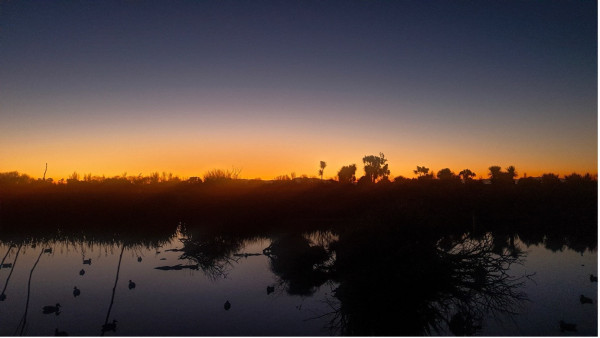
A Respectful Finish to a Great Day Out
A clean and respectful wrap-up to your hunt not only honours the game you've taken but protects the reputation of all hunters. The image you leave behind, both literally and figuratively, matters. Let’s all do our part to ensure that hunting remains a respected and sustainable tradition for generations to come.
If you need some tips on how to process your whole birds from start to finish, watch this video where Central South Island Fish & Game Officer Hamish Stevens explains how he processes his game birds, ready for the table. Use this link: https://youtu.be/Sf3xXH72CWw
North Canterbury Chairman announcement of new Operations Manager
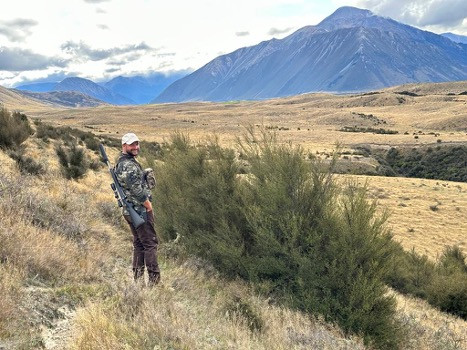
North Canterbury Fish & Game Chairman Alan Strong is pleased to announce the appointment of Lyndon Slater as its new Operations Manager, bringing fresh leadership and deep commitment to ensuring the species and resources managed by Fish and Game are retained for future generations.
Lyndon steps into the role with a strong background in environmental and wildlife management and a passion for the outdoors. His appointment marks an exciting new chapter for the North Canterbury region, which is home to some of the country’s most valued fishing and game bird habitats.
Lyndon’s career spans both central government and the private sector, where he has focused on threatened species management, pest control and environmental management. When not on the job, you will find Lyndon out enjoying the outdoors, hunting or fishing with his young family or grafting away at his lifestyle block labour of love.
Having previously worked in the role of Environmental Officer for the North Canterbury region, Lyndon has a comprehensive knowledge of the challenges and opportunities in front of Fish and Game at this time and brings with him a commitment to working closely with anglers, hunters, landowners, iwi, and conservation groups to ensure sustainable management of fish and game resources.
Lyndon believes the availability of New Zealand's Fish and Game resources, as well as the accessibility of these to everybody, is one of the things that makes New Zealand so unique. He is particularly passionate about ensuring that this opportunity remains available to future generations. "Fish and Game plays such a vital role in contributing to both the conservation and recreational values that are part of our DNA".
The council look forward to working with Lyndon, our dedicated team and the wider community of hunters and anglers to protect the species and habitats that make the North Canterbury region so special.
Coming towards the end of 2025 game bird season
It has approached rapidly however we are now a couple of weeks into the final month of the main season for hunting most of our waterfowl species. This means we have 10 days left of hunting in our North Canterbury 2025 main season. The mallard duck, grey duck, New Zealand shoveler duck, paradise shelduck and black swan all have their final huntable day of Sunday the 27th of July for the 2025 main waterfowl season.
Hunting opportunities do not end here for your 2025 licence however with Pukeko, California quail and Chukar all being huntable until August 31st. There is also one final Cock pheasant weekend on the 2nd and 3rd of August.
Many hunters also do not realise that their 2025 Game Bird Licence also extends to the early months of 2026 during the February/March summer season in North Canterbury.
It should be noted that all hunts during the 2025/2026 Summer Season must be completed over agricultural grain crops and/or green feed paddocks and all hunts must be 200 metres from any water body.
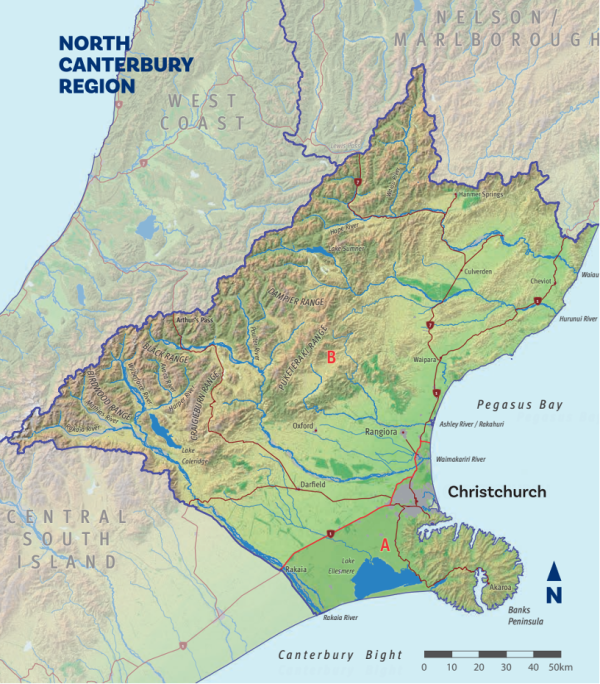
North Canterbury has two Mallard/Grey duck weekends in February 2026 on the 7th and 8th and the 14th and 15th these hunts are restricted to Area B.
North Canterbury also has a summer paradise shelduck season starting on February 7th 2026 and ending on March 15th 2026, Hunts in Area A have a daily bag limit of 15 and hunts in Area B have a daily bag limit of 20. Please refer to the North Canterbury regulation book or contact our team if you have any questions.
Alternative ways to utilise your game bird meat
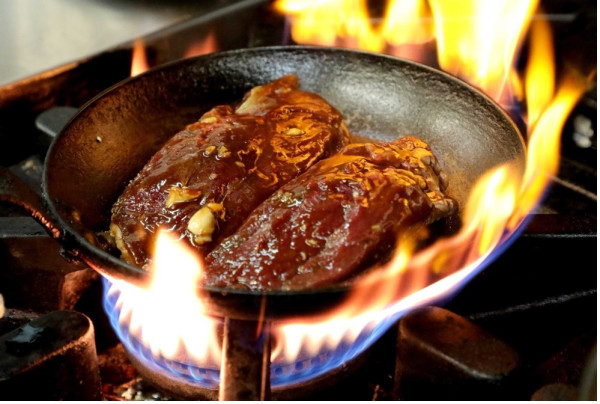
Thinking about how else to process and use your meat after a successful hunt? In Christchurch we are fortunate enough to have some dual operator butchery shops that are more than happy to take your meat to get processed into small goods. Talking with the team at Halswell Butchery they often make salami’s and kransky sausages for game bird hunters, just remember to check your meat for any steel shot pellets as this can damage their equipment as they are processing it.
Contact your local dual operator butcher shop and see what great small goods you can use with your meat from the birds you have harvested.
Taking your meals to the next level
We're checking out the Fish + Game Cookbook by Angelo Georgalli, a must-have for any wild game enthusiast. When it comes to game birds, the book features an impressive selection of recipes for species like Mallards/Grey Ducks, Paradise Shelducks, Shoveler, Pūkeko, Black Swans, Quail, and Pheasants. It also includes delicious ways to prepare the sport fish managed by Fish & Game.
You can pick up a copy at our North Canterbury office, select retailers and bookstores, or order the easy way, online at this link: https://www.fishandgame.org.nz/fish-and-game-cookbook-angelo-georgalli
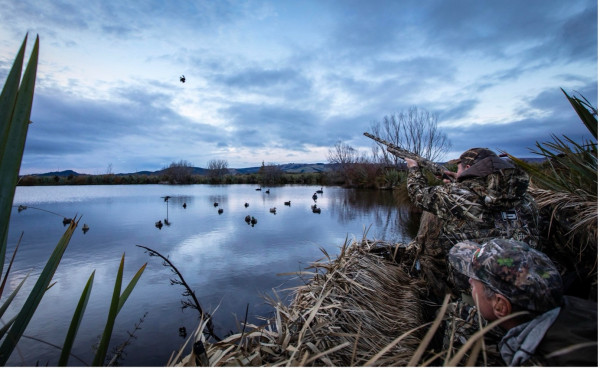
The Do’s and Don’ts
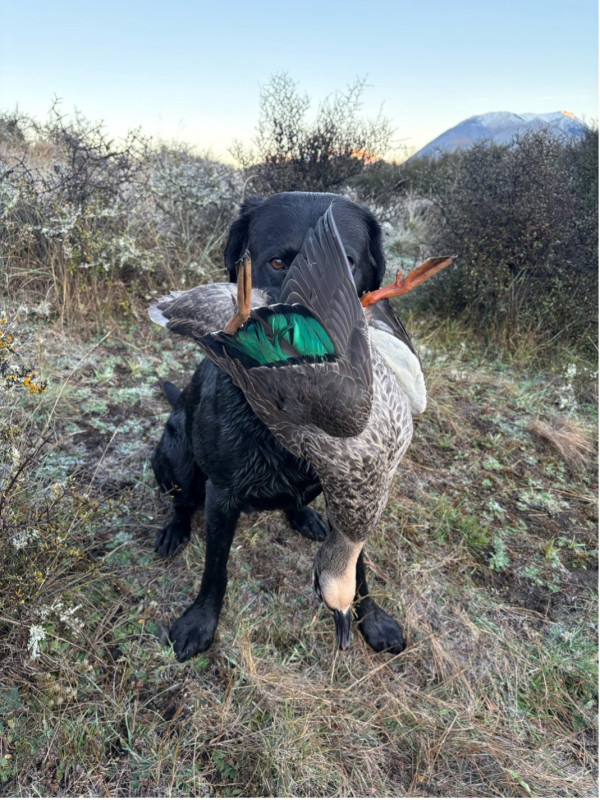
Do’s
- Always carry a hunting and firearms licence
- Be safe with firearms and on the water - know the seven rules for safe firearm handling
- Be an ambassador for hunters - hunt ethically & responsibly
- Clean your game bird harvest quickly to ensure the best quality meat for your table
- Ensure you make sure there is no ‘toxic’ shot in your bag
- Bury waste after cleaning your birds
- Follow the rules
Don'ts
- Don't drink & hunt
- Don't leave rubbish at your stand
- Don't be unethical – respect your quarry and the hunting regulations
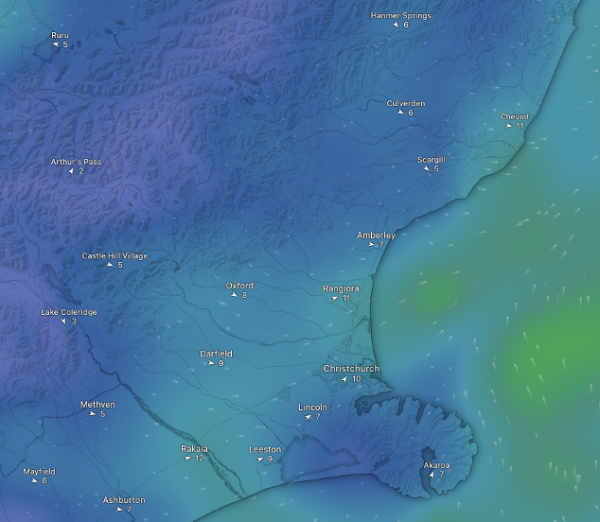
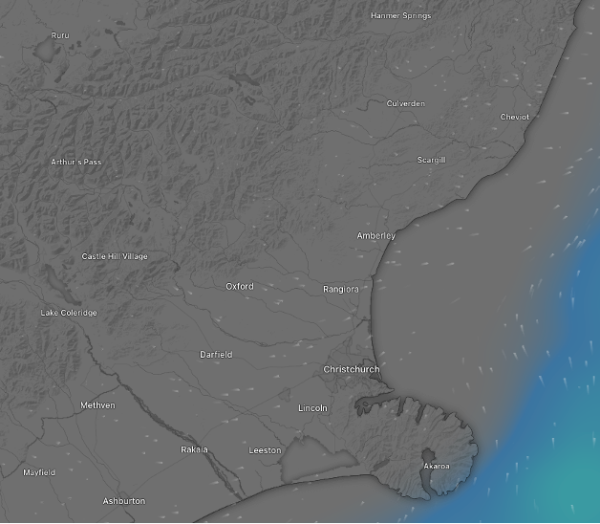
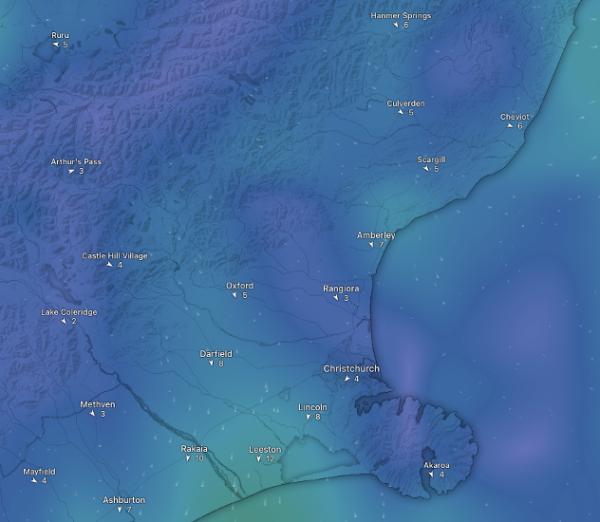
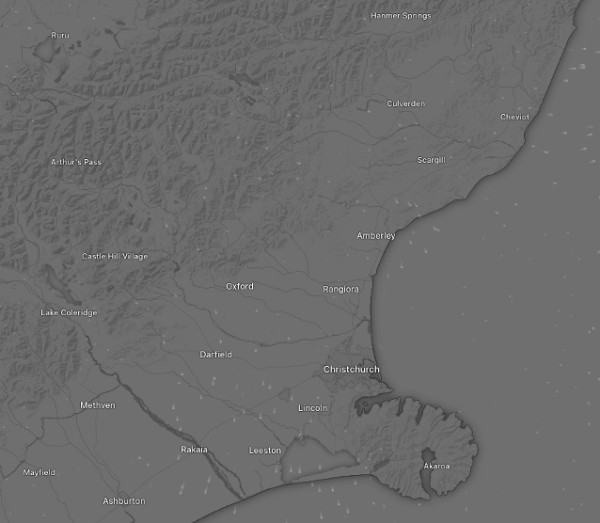
Weather Outlook
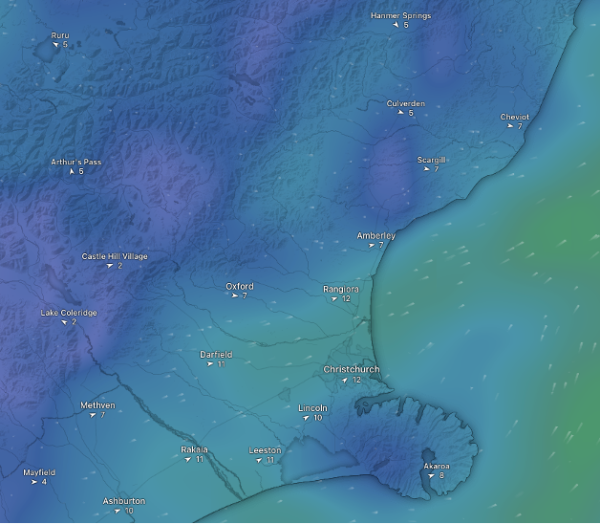
Wind Scale:

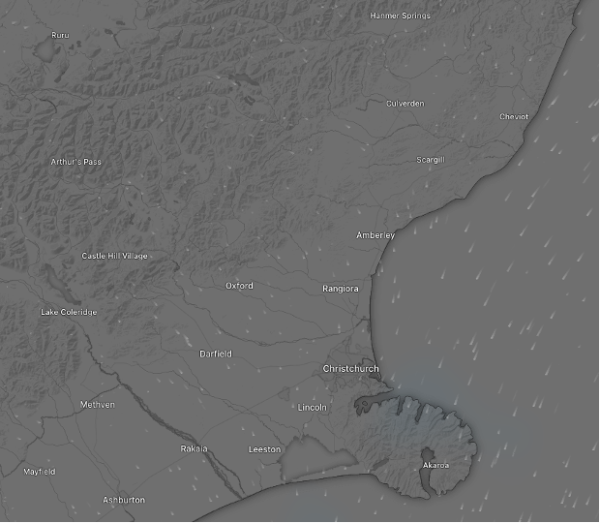
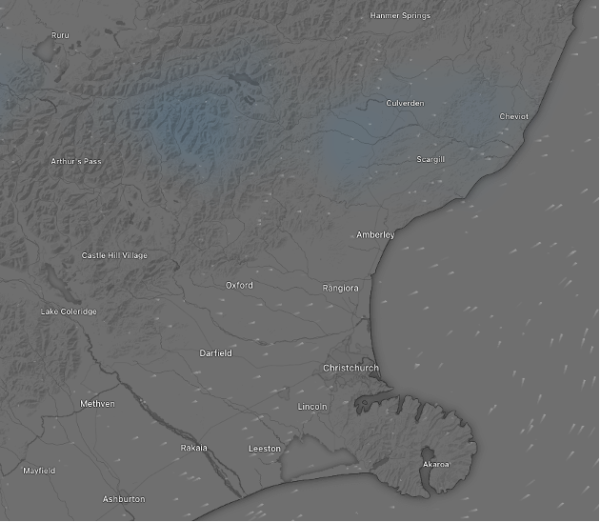
Rain Scale:

Friday 18th July:
Wind:
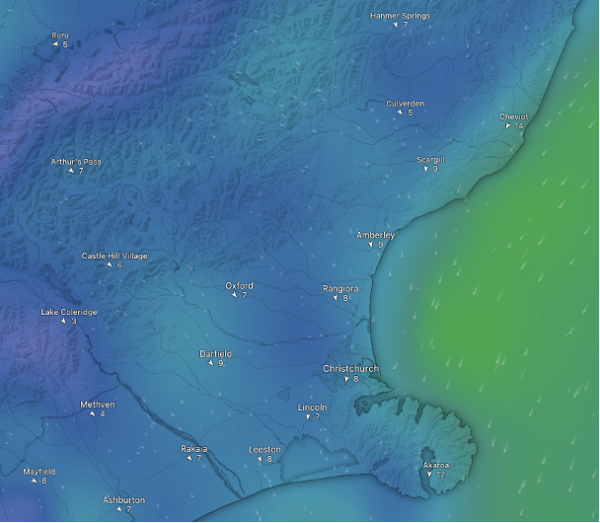
Rain:
Saturday 19th July:
Wind:
Rain:
Sunday 20th July:
Wind:
Rain:
Monday 21st July:
Wind:
Rain:
Tuesday 22nd July:
Wind:
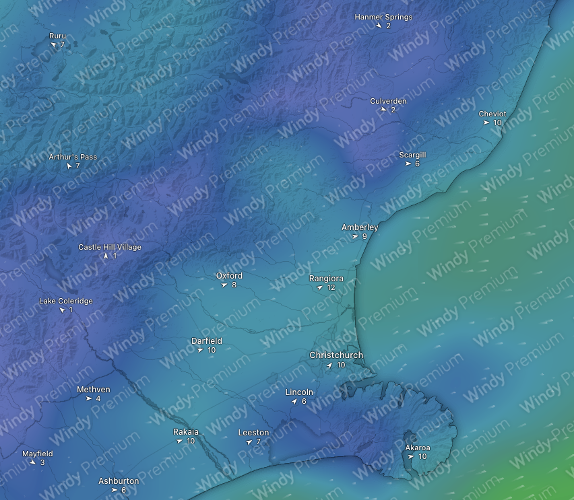
Rain:
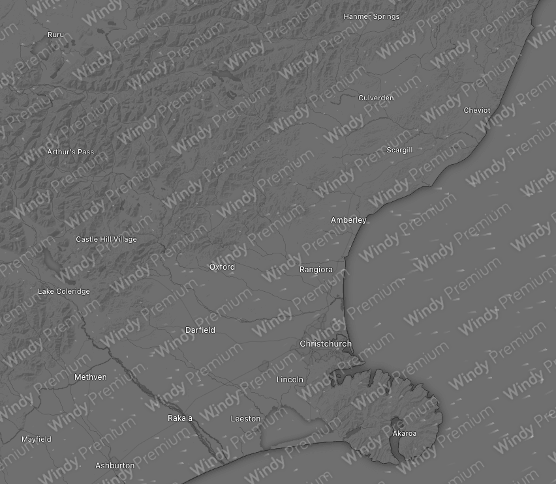
Please note: This weather update is current at the time of publishing. We recommend checking the latest forecasts and road conditions before heading out on windy.com.
Firearm Safety
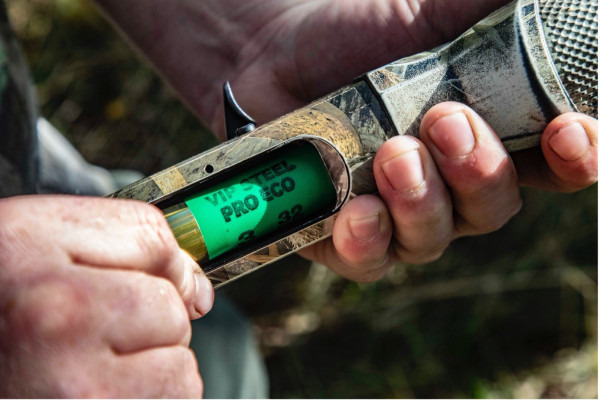
There’s nothing quite like the excitement of settling into the maimai during duck season. The early morning mist, good mates, and the promise of a memorable hunt – it’s what we live for. But a successful and safe day out isn’t about luck. So don’t wing it.
Your maimai might be full of friends, family, and even the dog, making safety more important than ever. It only takes a few simple steps to make sure everyone enjoys the day and heads home safely. Start by nominating someone to take charge of safety. Then, discuss the plan together so everyone knows their role before the first ducks appear.
The safety lead should ensure everyone sticks to the Seven Basic Rules of Firearms Safety. Always treat every shotgun as loaded and never forget – the time for drinks is after the firearms are safely locked away.
Let’s make this duck season a great one. Take the time, make the plan, and keep it safe.
Check out the following links, which contain a range of helpful information from the Firearms Safety Authority and the Mountain Safety Council:
Hunting Notice Board
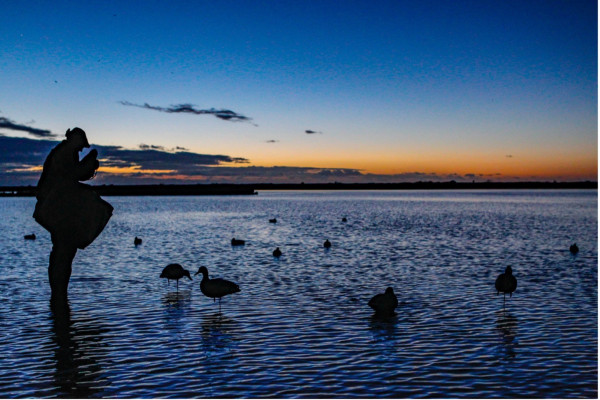
- Staff from around New Zealand will again complete Game Bird Hunter Harvest Survey Calls this year. Be prepared, as any licence holder may receive a call on each period (there is a chance you may also be called more than once throughout the season). These calls are vital for managing the populations as they give us a great estimate of how many birds have been harvested across the country. If you want to look at the full report from the 2024 South Island Harvest Survey, use this link here.
- Want to improve your hunting knowledge and skills? Complete the free online Better Hunter courses to enhance your knowledge and skills. Create an account and start the courses at home in your own time. These are great for both new novice hunters and those with more experience, looking for a refresher on some good practices. Use this link: https://www.betterhunting.nz
- Need some help building or scrubbing up your maimai to stay hidden from game birds? Reach out to the North Canterbury team, which is more than happy to provide advice on safe and effective maimai builds and how to keep the maimai hidden in a variety of locations. Don’t hesitate to stop in in person or call the office phone.
- Always remember the seven rules of firearms safety this season:
- Treat every firearm as loaded
- Always point firearms in a safe direction
- Chamber a cartridge only when ready to fire
- Identify your target beyond all doubt
- Check your firing zone
- Store and transport firearms and ammunition safely
- Avoid alcohol when handling a firearm
Want your hunts to be featured in one of our reports?
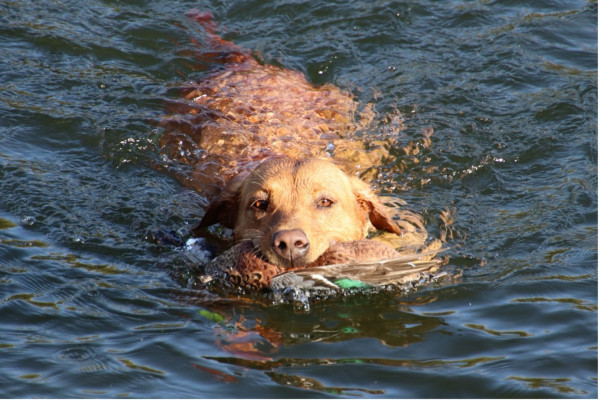
Send pictures and details of your hunts to be shared with the North Canterbury community to Jackson at jmeecham@fishandgame.org.nz
- The best photos for our newsletters should be taken in landscape and should include smiling faces or hunters in action. (large bird piles will not be shared.)
Stay tuned for the final Bi-Weekly hunting report of the season on July 31th 2025.
Disclaimer:
The information presented in these news items is based on the context and regulations in place at the time of publication. Please note that some articles may include reference to laws and regulatory standards that have since changed. For the most current and accurate information please check our Fishing Licences & Regulations pages or our Hunting Licences & Regulations pages.