Back to Hunting Knowledge Hub
Equipment – gear list
Having the right gear is crucial for both success and safety in the field.
Game bird hunting, particularly waterfowl hunting, can be somewhat equipment intensive. However, provided you have the basics, you will be able to hunt in many different situations. The following equipment is commonly used by most waterfowl hunters:
- A shotgun suitable for waterfowl hunting (appropriate gauge).
- Ammunition (shot compatible with selected shotgun and the species being targeted).
- Waders or waterproof boots.
- Waterproof clothing and layers for warmth in camouflage or drab colours.
- Gear bag for carrying equipment.
- One dozen mallard decoys – usually a minimum (or Parrie decoys if targeting this species).
- Mallard call (and a Parrie call).
- Pocket knife for cleaning and processing game.
- Safety gear (e.g., life jacket if using a vessel, wading belt, hearing protection).
For a more comprehensive gear list with further information on why this equipment is needed, download this PDF.
Guides
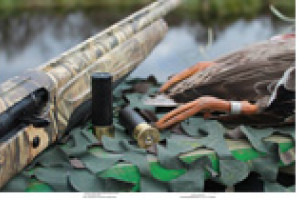
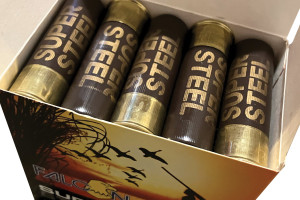
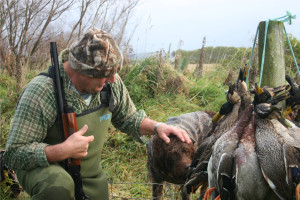
Shotguns selection
There are two main categories of shotguns: single-barrel shotguns and double-barrel shotguns
Single-barrel shotguns, which include:
- Single-shot (capacity of one shell only).
- Pump-action (manually cycled).
- Semi-automatic (automatically cycles with each shot).
Pump-action and semi-automatic shotguns in New Zealand can hold up to 5+1 shells. However, some regions require shotguns to be restricted, limiting the capacity to a maximum of three shells when hunting game birds (this requirement is outlined in your regional regulations guide).
Double-barrel shotguns, available in:
- Side-by-side
- Over-and-under
Double barrel shotguns have a maximum capacity of two shells.
While any of these options can be suitable, semi-automatics are by far the most commonly used by game bird hunters in New Zealand for both their functionality (multiple shell capacity) and reduced recoil.
Double-barrels are also popular for their simplicity and traditional appeal. Ultimately, choose a shotgun that fits your needs, body size, and budget. Shotguns come in a range of makes, models, and quality.
Further to the type of shotgun, you will also need to consider shotgun gauge. In New Zealand, you may hunt game birds with any shotgun 10 gauge or smaller. Common gauges include:
12 gauge – The most widely used, versatile, and readily available. Suitable for all game bird hunting situations in New Zealand.
20 gauge – Also popular, especially among smaller-framed hunters, younger hunters, or those targeting upland game where carrying a lighter gun is an advantage.
Other gauges (e.g. 16, 28, .410) – less common and may be harder to find ammunition for.
Most hunters are best served by either a 12 or 20 gauge, due to their effectiveness and the wide availability of ammunition in New Zealand.
Ammunition Selection
Choosing the right ammunition is essential for both hunting effectiveness and compliance with game bird hunting regulations.
When waterfowl hunting within 200 metres of a waterbody wider than 3 metres, ‘non-toxic shot’ is mandatory. Steel shot is the most commonly used non-toxic option as it is reliable and cost-effective.
Lead shot is still permissible and commonly used for upland game hunting.
In addition to shot type, shot size is also important. The size of the shot in a shell is indicated by the number printed on it: smaller numbers represent larger shot pellets, while larger numbers indicate smaller pellets. The shot size you choose should match the species you are hunting, large shot size for larger species. Use the following shot sizes:
- Ducks (mallard, shoveler, paradise shelduck), Pukeko : #3 or #4 steel
- Black swan : #2 or BB steel
- Pheasants: #6 lead
- Quail: #7 or #8 lead
Selecting the appropriate shot size improves hunting effectiveness and reduces the risk of wounding birds.
Magazine Restrictions
In some regions, there are restrictions on shotgun magazine capacity, typically allowing a maximum of 2 + 1 shells.
These restrictions are often applied in areas with lower waterfowl abundance as a population sustainability measure.
This means that double-barrel shotguns are fine to use, but most semi-automatic and pump-action shotguns will need to be ‘restricted’. Restricted is when a removable plastic filler or a piece of dowel is inserted into the magazine to manually limit the number of shells that can be loaded.
Click the link below to learn how to restrict your shotgun magazine if you intend to hunt in a region with a magazine restriction regulation.