Back to Hunting Knowledge Hub
Shooting – how to
Explore this page for helpful guidance on preparation, safety and effective shooting practices.
When game bird hunting, there are many different things to consider both before you discharge your firearm, relating to both safety and effective hunting.
Guides
Safe firearm handling
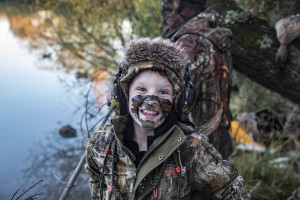
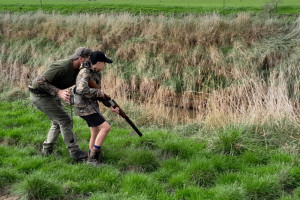
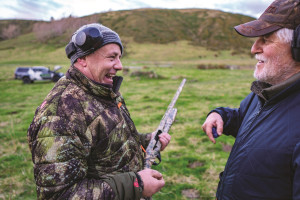
Game bird hunters must always follow the Seven Golden Rules of firearm safety.
Because of the importance of these golden rules, they are stated below:
- Treat every firearm as loaded.
- Always point firearms in a safe direction.
- Load a firearm only when ready to fire.
- Identify your target beyond all doubt.
- Check your firing zone.
- Store and transport firearms and ammunition safely.
- Avoid alcohol or drugs when handling firearms.
Practical shooting tips
Accurate shooting is one of those skills that comes with both practice and experience. If you’re just starting out in waterfowl hunting.
Here are some key fundamentals to keep in mind:
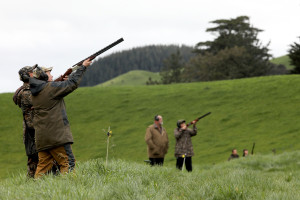
Lead is critical – Ducks are always taken on the wing, meaning you’re shooting at a moving target that can be flying fast. You’ll need to use lead which involves pointing and firing ahead of the bird to allow for its speed and distance. The faster or further away the bird, the more lead required. Essentially, the duck must fly into your shot.
Keep your gun moving – Many misses happen when hunters stop swinging as they pull the trigger. Keep following through after the shot so your shot pattern stays in front of the bird.
Know your range – This is the most important component to successful hunting. Limit shots to within about 40 metres. Beyond this distance, pellet velocity drops and spread increases, reducing your chances of cleanly taking the bird.
Pick one bird – When a group of ducks comes in, don’t just fire at the group. Focus on a single bird, make a clean shot, then move to the next if the opportunity is there.
Smooth gun mount – Bring the shotgun to your cheek first, then your shoulder. This ensures the barrel is aligned with your eye for consistent accuracy.
Think ahead – Ducks often flare or change direction when they see movement, so, wait until they are well committed and in range before mounting your shotgun and pulling the trigger.
Practice makes perfect – There’s no substitute for practice. Shooting a few clays before the season, ideally at a local gun club with an experienced shooter, will noticeably improve your accuracy.
For more practical tips for improving your accuracy, please see the PDF below.
Patterning your shotgun
Patterning your shotgun is an essential part of preparing for game bird hunting.
It shows how your pellets spread at different distances, helping you understand your shotgun’s capabilities and giving you confidence to take ethical, effective shots when out hunting. The basic approach for patterning a shotgun is outlined below.
Get a patterning sheet: You can pick up a shotgun patterning sheet from your local Fish & Game office. These sheets are specially designed to help you assess your shot spread.
Find a safe area for patterning: This could be at a gun range, on private property where there is a safe backdrop.
Set up a target: Place the sheet, attached to a large box or sheet of wood at a typical hunting distance (20–35 metres). Measure the distance with a rangefinder or tape measure.
Fire and observe: Shoot one shell at the patterning sheet and check where the pellets hit.
Count and map: Count the number of pellets on the target and note the spread pattern. Ideally, for waterfowl hunting, about 30–50 per cent of the pellets should hit within a 30–40cm circle at 30m. This gives a dense enough pattern to ethically take the bird.
Test different chokes: Try the same load with different choke tubes to see how the spread pattern changes. This helps you find the best choke for your typical hunting distances.
Repeat for distances and loads: Test different distances and ammunition types (shot sizes) to see which combination gives the most consistent coverage.
Understanding leading in gamebird hunting
Understanding lead is essential for successful gamebird hunting.
Lead is where the hunter aims and fires ahead of a moving bird rather than directly at it. This is necessary because gamebirds fly quickly—if you aim at their current position, your shot will usually miss, as the bird will have moved before the shot arrives.